Table Of Content
Table Of Content
The Growing Role of Active Optical Cables in High-Speed Connectivity
In recent years, the rapid expansion of digital infrastructure has significantly increased the demand for high-speed and reliable connectivity. Data centers, cloud computing platforms, and emerging technologies such as artificial intelligence and 5G networks are generating unprecedented volumes of data, placing greater pressure on traditional cabling systems.
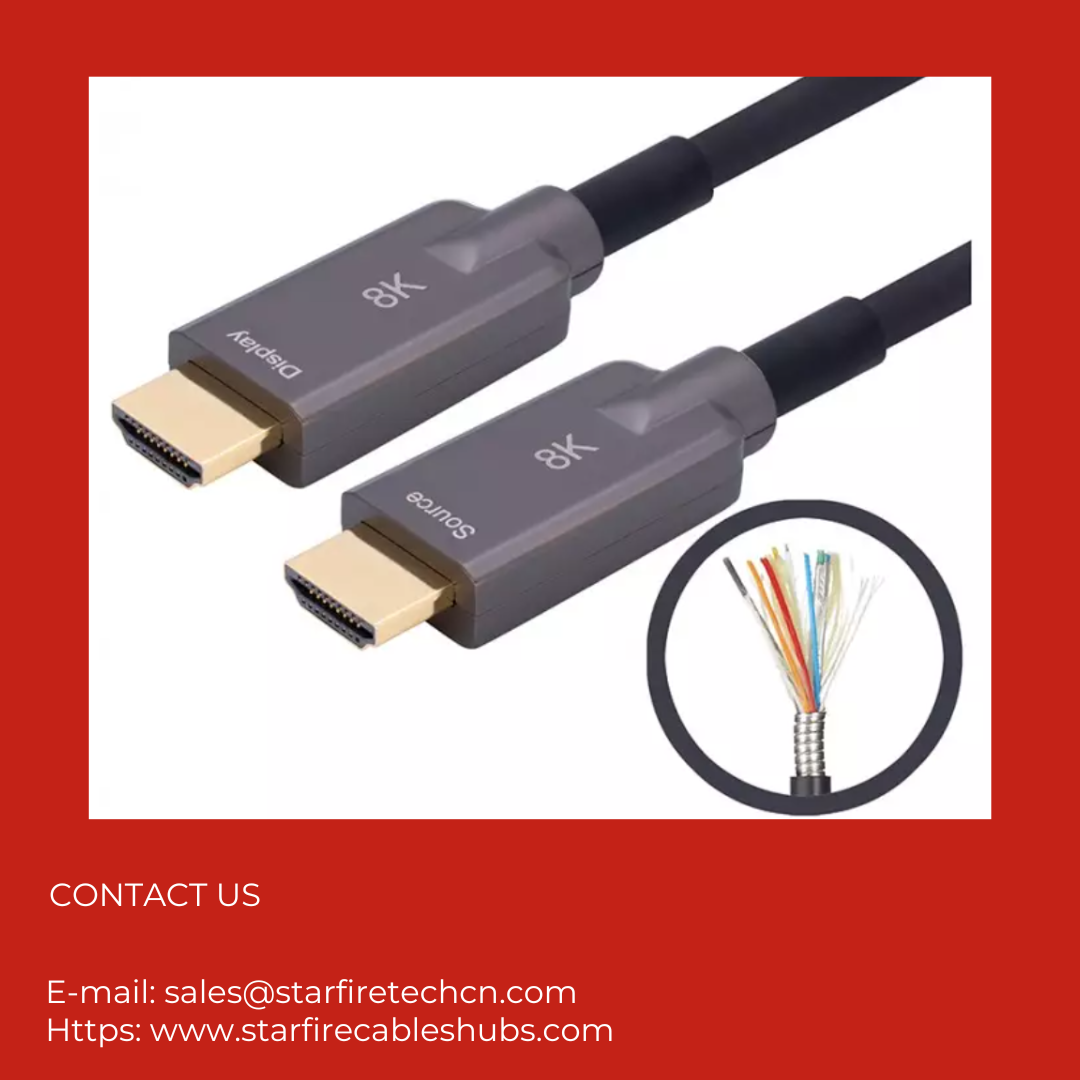
Against this backdrop, Active Optical Cables (AOCs) are gaining attention as a powerful solution for high-bandwidth and long-distance transmission. By combining optical fiber technology with integrated electronic components, AOCs enable faster data transfer while maintaining stable performance across extended distances.
Rising Demand for High-Bandwidth Transmission
The global digital ecosystem continues to evolve rapidly. Large-scale data processing, real-time video transmission, and cloud-based services all require high-capacity networking infrastructure. As a result, many organizations are transitioning from conventional copper cables to optical interconnect technologies.
Recent industry analysis indicates that more than 60% of data centers now rely on active optical cables for high-speed interconnections, particularly in environments where low latency and reliable signal integrity are essential. In addition, the increasing deployment of cloud services and high-performance computing systems is accelerating the adoption of fiber-based connectivity solutions.
Advantages of Active Optical Cable Technology
Active optical cables offer several advantages compared with traditional copper cables, especially in high-speed networking environments.
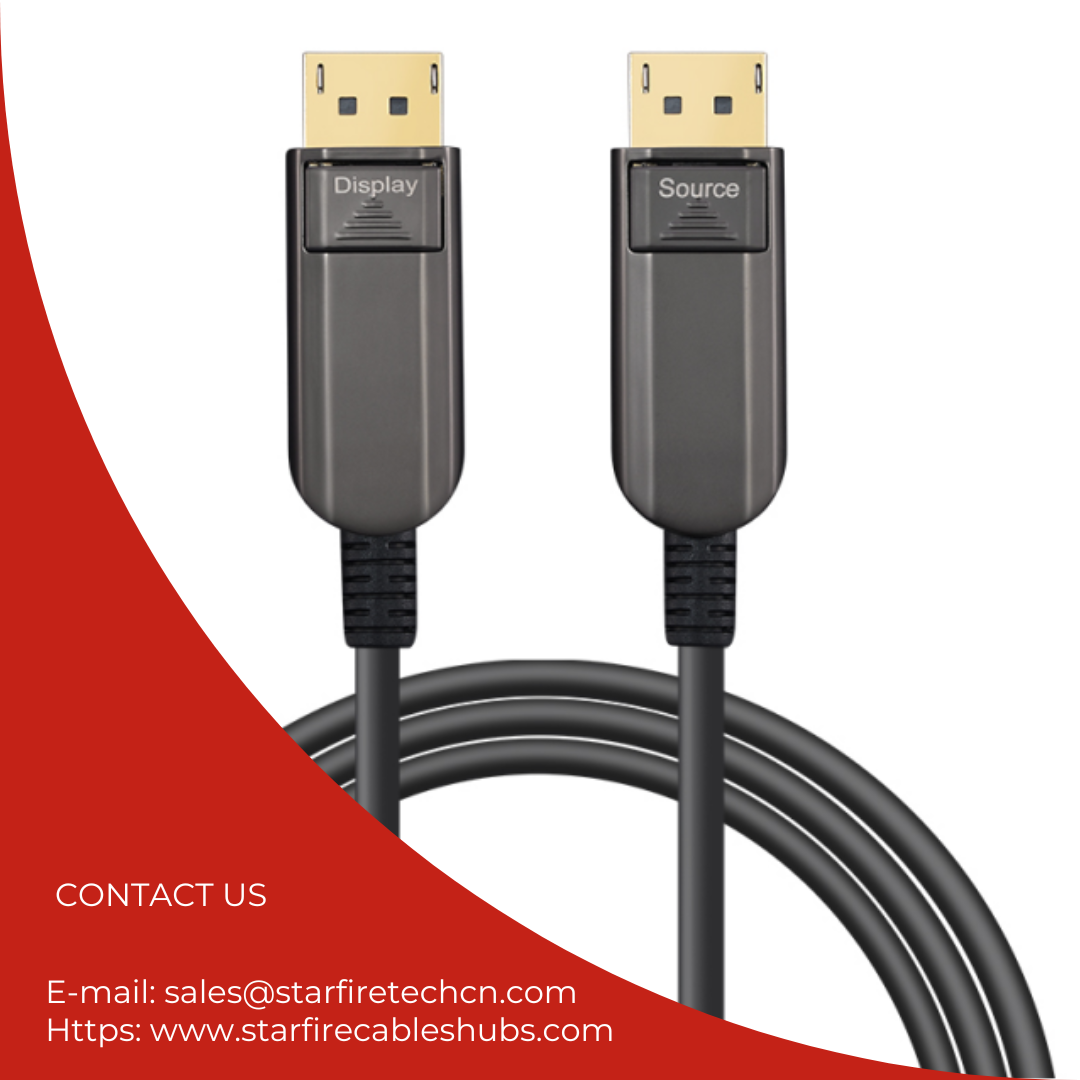
Long-distance signal stability
Optical transmission allows data to travel over longer distances with minimal signal degradation, making it ideal for large facilities such as data centers and campus networks.
Reduced electromagnetic interference
Unlike copper cables, fiber-based transmission is largely immune to electromagnetic interference (EMI), ensuring more reliable data communication in complex electrical environments.
High bandwidth capability
Active optical cables support extremely high data rates, making them suitable for modern applications such as AI computing clusters, high-performance computing, and advanced multimedia systems.
These advantages make AOCs particularly valuable in environments where both performance and reliability are critical.
Expanding Applications Across Industries
The use of active optical cables is expanding beyond traditional networking applications. Today, AOCs are widely used in areas such as:
Hyperscale data centers
High-performance computing systems
Professional audiovisual installations
Advanced visualization environments
Industrial automation systems
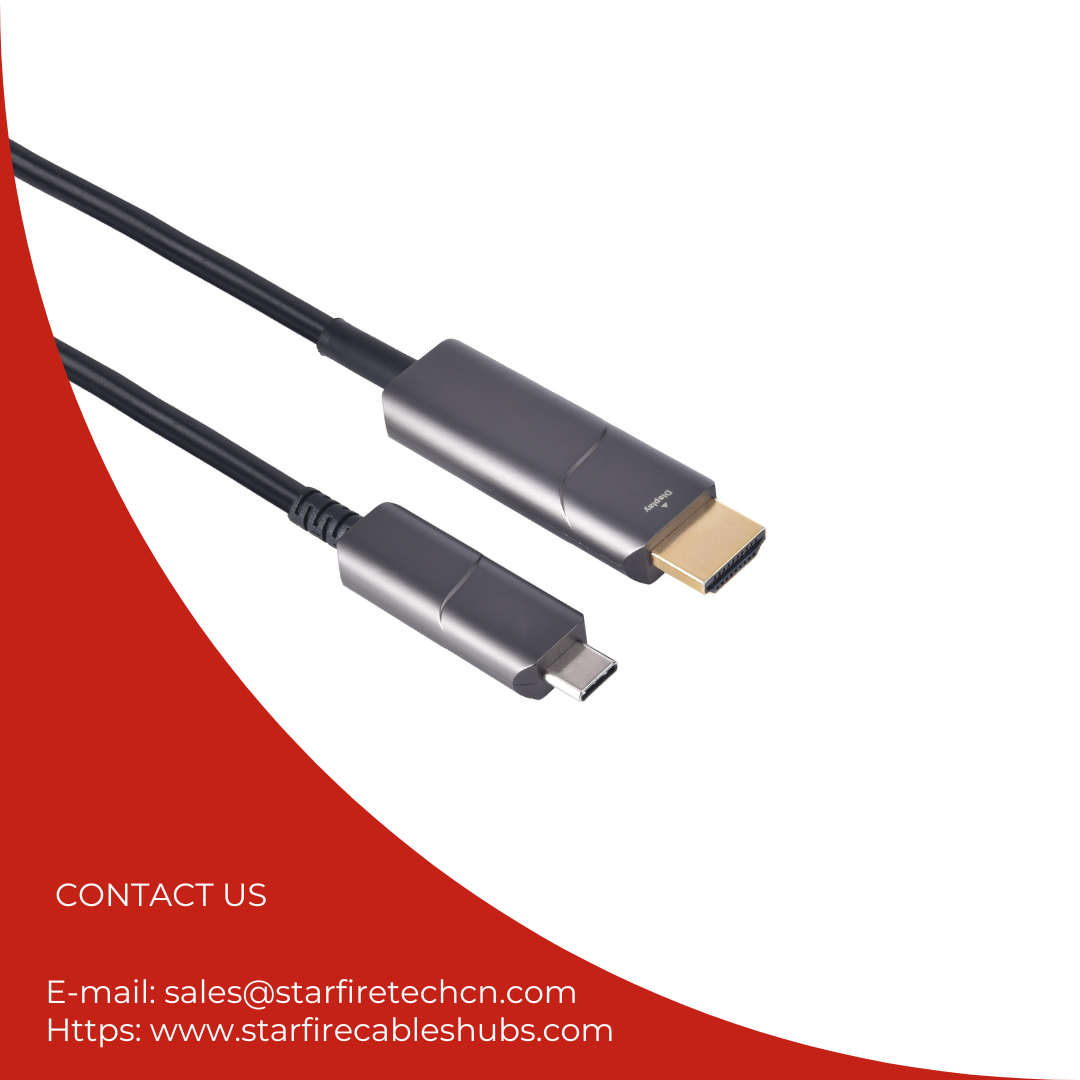
In particular, the continued growth of hyperscale data centers is driving strong demand for high-speed optical interconnects. Many next-generation data facilities are integrating optical cable solutions to support large-scale cloud computing workloads and advanced AI processing capabilities.
The Impact of Emerging Technologies
Technologies such as artificial intelligence, edge computing, and immersive media are creating new requirements for network infrastructure. High-resolution video streaming, real-time data analytics, and machine learning workloads all depend on ultra-fast data transmission.
At the same time, telecommunications networks are evolving with the expansion of 5G infrastructure and large-scale IoT deployments. These developments are expected to further increase the need for high-bandwidth connectivity solutions capable of supporting massive data traffic.
Looking Ahead
As digital transformation accelerates across industries, the demand for efficient and scalable connectivity solutions will continue to grow. Active optical cables provide a practical way to address the limitations of traditional copper connections while supporting the increasing performance requirements of modern networks.
From cloud computing platforms to advanced industrial systems, fiber-based connectivity technologies are playing an increasingly important role in building the next generation of digital infrastructure.
#ActiveOpticalCable
#FiberConnectivity
#HighSpeedNetworking
#DataCenterInfrastructure
#OpticalInterconnect
#DigitalTransformation
#AOC
#FutureConnectivity