Table Of Content
Table Of Content

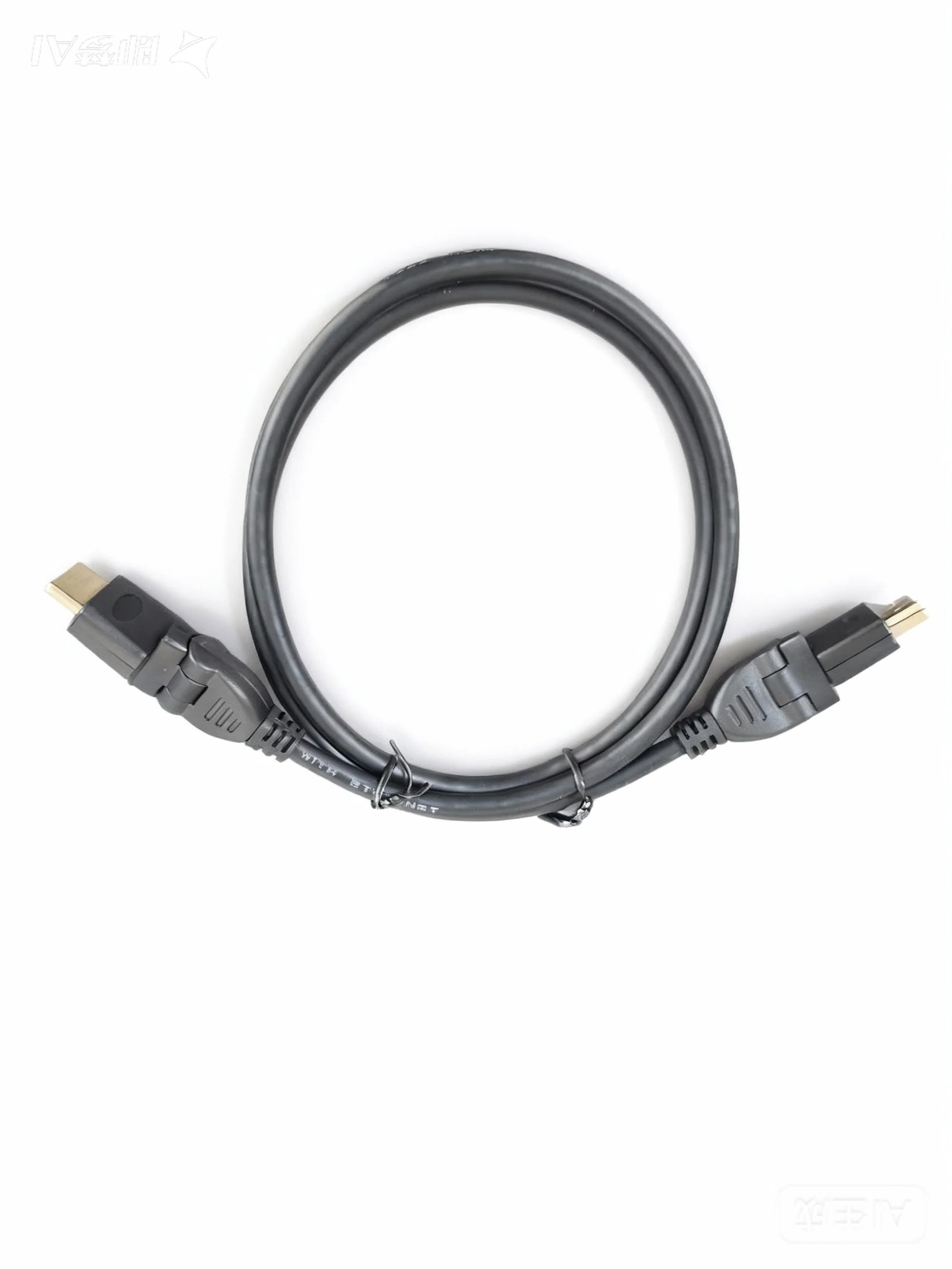
In professional AV projects, signal failures are often more complicated than they appear. A system may include a high-quality HDMI AOC cable, a professional HDMI matrix switch, compatible displays, and correct installation procedures. Yet the screen may still show “No Signal”. Many engineers and integrators immediately suspect the cable. However, in real-world Pro AV environments, the cable is only one part of a much larger signal chain. A successful HDMI installation depends on the interaction between:
- Source devices
- HDMI matrix systems
- Signal processors
- Transmission cables
- Display devices
- Firmware and configuration settings This case study explains why a 15-meter HDMI 2.0 Active Optical Cable appeared to fail in a 4K 60Hz 4:4:4 HDMI Matrix application, and what professional AV engineers can learn from this troubleshooting process. The Challenge: A 15m HDMI AOC Installation Without Signal A customer installed a 15-meter HDMI 2.0 Active Optical Cable in a professional AV system. The application requirements included:
- 4K resolution
- 60Hz refresh rate
- 4:4:4 chroma sampling
- HDR transmission
 The HDMI AOC specification matched the project requirements. The cable installation was completed correctly. The connectors were properly connected. However, the display showed no signal. At first glance, the HDMI AOC cable seemed to be the possible cause. But replacing the cable immediately would not solve the real engineering question: Where exactly does the signal chain fail? Professional AV troubleshooting requires a systematic approach. Step 1: Verify the Signal Requirements The first step was confirming the technical requirements of the entire system. A 4K 60Hz 4:4:4 signal requires sufficient bandwidth and stable transmission performance. Engineers must consider:
 - HDMI version compatibility
- Required bandwidth
- Color format
- HDR requirements
- HDCP compatibility The HDMI AOC solution was verified to support the required transmission specifications. The cable itself was not the limitation. Step 2: Check HDMI Matrix Configuration The next investigation focused on the HDMI Matrix Switch. Professional AV systems often include advanced functions such as:
- Auto scaling
- EDID management
- Signal conversion
- Resolution negotiation In this case, the HDMI matrix had an auto-scaling function between 4K and 1080P. Different output resolutions between connected devices could create compatibility issues during HDMI handshake communication. This highlighted an important principle: HDMI transmission reliability depends not only on bandwidth, but also on device communication and system configuration. Step 3: Verify Installation and Compatibility The troubleshooting process continued by checking:
- HDMI AOC cable direction
- Correct HDMI port selection
- Source and display compatibility
- Firmware versions
- Device brands and communication protocols HDMI AOC cables are directional products because they contain active optical conversion components. Incorrect direction installation can cause complete signal failure. However, after verifying all installation factors, the issue remained. The Root Cause: System Compatibility Limitation After additional testing, the HDMI Matrix Switch supplier confirmed that this specific model supported cable distances only up to 10 meters. The 15-meter HDMI AOC cable was not defective. The actual limitation was the compatibility capability of the HDMI Matrix system. This case demonstrates an important lesson: A connectivity failure does not always mean the cable is the problem. In professional AV engineering, the complete system must be evaluated. Beyond Cable Replacement: The Importance of System-Level Thinking Many AV troubleshooting processes focus on replacing individual components. However, professional installations require a deeper approach. Engineers need to understand: Signal requirements. Device limitations. HDMI communication protocols. Installation environments. Future upgrade requirements. A reliable AV system is created by matching every component in the signal chain. The Role of HDMI AOC in Professional AV Applications HDMI Active Optical Cable technology has become an important solution for long-distance professional AV transmission. Compared with traditional copper HDMI cables, HDMI AOC provides:
- Longer transmission capability
- Higher bandwidth support
- Better EMI resistance
- Lightweight installation
- Improved reliability in complex environments HDMI AOC solutions are widely used in:
- Corporate meeting rooms
- Conference centers
- Digital signage systems
- Control rooms
- Broadcast environments
- Medical imaging applications
- Education AV systems
- Large-format display installations However, even the best transmission technology requires correct system design. STAR FIRE TECH Perspective: Solving Connectivity Challenges, Not Just Supplying Cables At STAR FIRE TECH, we believe professional AV connectivity is about solving real-world engineering challenges. With more than 20 years of connectivity experience since 2006, we support customers with:
- HDMI AOC solutions
- Professional AV cables
- Optical fiber connectivity
- Industrial communication solutions Our approach goes beyond manufacturing products. We focus on helping AV integrators, system designers, and technology partners build stable and reliable systems. Through technical support, engineering analysis, and quality-focused manufacturing, we help customers reduce installation risks and improve project reliability. Conclusion: Professional AV Requires System Understanding The lesson from this 15-meter HDMI AOC case is simple: When an AV system fails, do not immediately blame the cable. The real cause may come from:
- Signal requirements
- Device compatibility
- Firmware configuration
- System limitations
- Installation conditions Professional AV success requires more than selecting individual products. It requires understanding the complete connectivity ecosystem. For AV integrators, consultants, and system engineers, reliable transmission is not only about moving data from one point to another. It is about creating stable, scalable, and future-ready AV experiences. Have you experienced HDMI compatibility issues with matrix switches, displays, or long-distance transmission projects? Share your experience with the professional AV community. www.starfirecableshubs.com #ProfessionalAV #AVIntegration #HDMI #HDMIAOC #HDMI2_0 #AVSystemDesign #AVIntegrator #SignalIntegrity #DigitalSignage #ControlRoom #BroadcastAV #OpticalFiber #AVConnectivity #ProAV #STARFIRETECH
 The HDMI AOC specification matched the project requirements. The cable installation was completed correctly. The connectors were properly connected. However, the display showed no signal. At first glance, the HDMI AOC cable seemed to be the possible cause. But replacing the cable immediately would not solve the real engineering question: Where exactly does the signal chain fail? Professional AV troubleshooting requires a systematic approach. Step 1: Verify the Signal Requirements The first step was confirming the technical requirements of the entire system. A 4K 60Hz 4:4:4 signal requires sufficient bandwidth and stable transmission performance. Engineers must consider:
 HDMI AOC cables are directional products because they contain active optical conversion components. Incorrect direction installation can cause complete signal failure. However, after verifying all installation factors, the issue remained. The Root Cause: System Compatibility Limitation After additional testing, the HDMI Matrix Switch supplier confirmed that this specific model supported cable distances only up to 10 meters. The 15-meter HDMI AOC cable was not defective. The actual limitation was the compatibility capability of the HDMI Matrix system. This case demonstrates an important lesson: A connectivity failure does not always mean the cable is the problem. In professional AV engineering, the complete system must be evaluated. Beyond Cable Replacement: The Importance of System-Level Thinking Many AV troubleshooting processes focus on replacing individual components. However, professional installations require a deeper approach. Engineers need to understand: Signal requirements. Device limitations. HDMI communication protocols. Installation environments. Future upgrade requirements. A reliable AV system is created by matching every component in the signal chain. The Role of HDMI AOC in Professional AV Applications HDMI Active Optical Cable technology has become an important solution for long-distance professional AV transmission. Compared with traditional copper HDMI cables, HDMI AOC provides: