Table Of Content
Table Of Content
The customer question behind the comparison
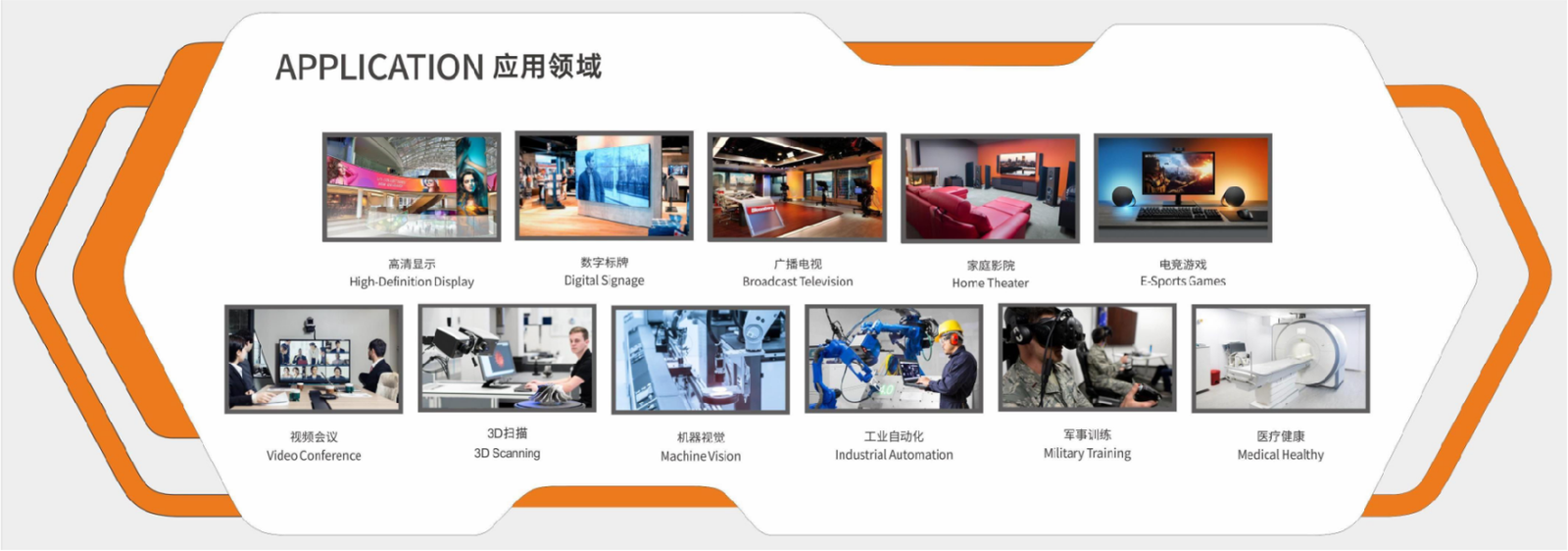
Many buyers ask whether HDMI or DisplayPort is better. The better question is: which interface is right for the application? A gaming monitor, workstation, video wall, medical display, control room, and industrial visual system may all have different requirements for bandwidth, refresh rate, compatibility, and installation distance.
Where HDMI is usually stronger
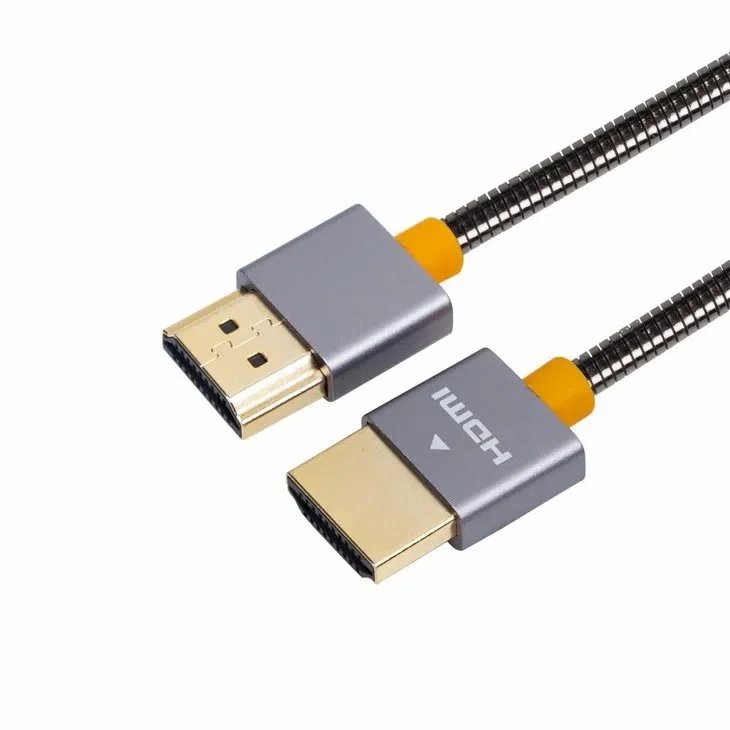
HDMI is widely used in TVs, projectors, home theater, conference rooms, AV distribution, game consoles, and many professional display systems. HDMI 2.1 is important for applications that require 4K 120Hz, 8K 60Hz, VRR, and eARC. For AV integrators, HDMI is often selected because end devices are widely compatible and customers already understand the interface.
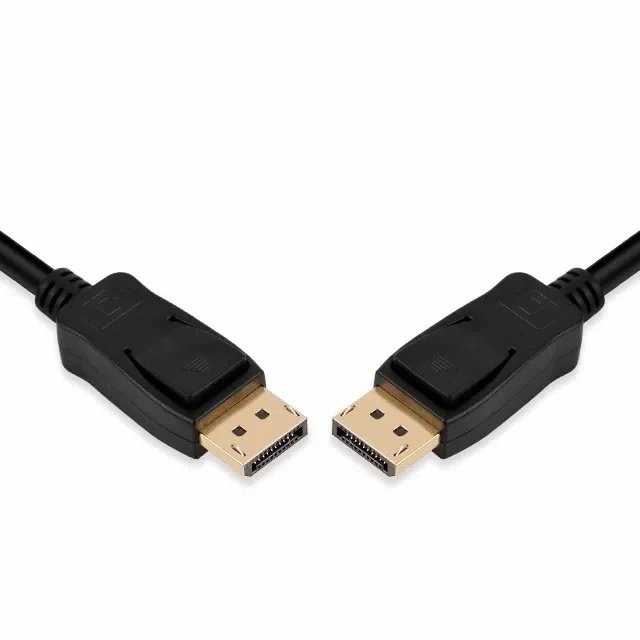
Where DisplayPort is usually stronger
DisplayPort is common in PCs, professional monitors, workstations, graphics cards, high-refresh-rate displays, multi-monitor setups, and some industrial imaging applications. DP 1.4 and DP 2.0/2.1 solutions are often selected when high resolution, high refresh rate, and professional display performance are critical. DisplayPort can also support demanding workstation environments where stable visual output affects productivity and workflow.
Cable quality still decides stability
Whether the project uses HDMI or DisplayPort, the cable is not a passive detail. Poor shielding, weak connector design, insufficient bandwidth, and excessive cable length can lead to flickering, black screen, unstable refresh rate, or display detection failure. High-resolution systems are less forgiving because the signal margin is smaller.
How to choose from a buyer’s perspective
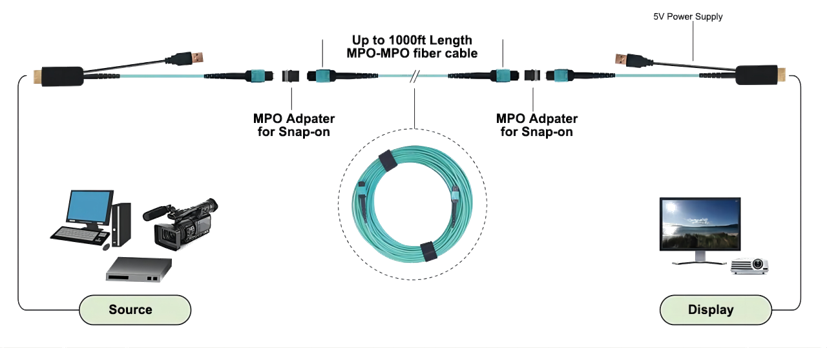
Choose HDMI when device compatibility, AV system integration, TVs, projectors, or consumer/professional AV equipment are the main focus. Choose DisplayPort when the application is workstation-driven, monitor-heavy, high refresh rate, or PC-based. Choose AOC or hybrid optical solutions when distance is long or the installation environment makes copper signal stability difficult.
How STAR FIRE TECH creates value
STAR FIRE TECH offers HDMI, DisplayPort, USB-C, and hybrid active optical cable solutions to help customers match cable structure with real application needs. For distributors, system integrators, and project buyers, the value is practical: fewer compatibility problems, better long-distance options, OEM flexibility, and more stable signal performance across AV, professional display, and industrial visual systems.
FAQ for display system buyers
Is DisplayPort better than HDMI? Not always. DisplayPort is often preferred for PC and workstation display systems, while HDMI is widely used in AV and home theater.
Can a DisplayPort cable cause flicker? Yes. Insufficient bandwidth, shielding weakness, or poor connector quality can cause flicker or signal drop.
When should I use DP AOC? Use DP AOC for longer runs, high-resolution professional displays, or installations where copper performance may not be stable enough.
#DisplayPort #HDMI #DP14 #DP20 #ProfessionalDisplays #WorkstationSetup #ProAV #HighResolutionDisplay #CableSupplier #HybridAOC #STARFIRETECH