Table Of Content
Table Of Content
图1
Why this matters for buyers and integrators
For many AV installers, distributors, and project buyers, an HDMI cable looks like a small part of the system. But when a screen flickers, a meeting room display goes black, or an 8K source cannot pass a stable signal, the cable quickly becomes a project risk. The right HDMI cable is not only about the connector. It is about bandwidth, certification, shielding, length, installation environment, and long-term signal stability.
The real problem: not every HDMI cable is built for high bandwidth
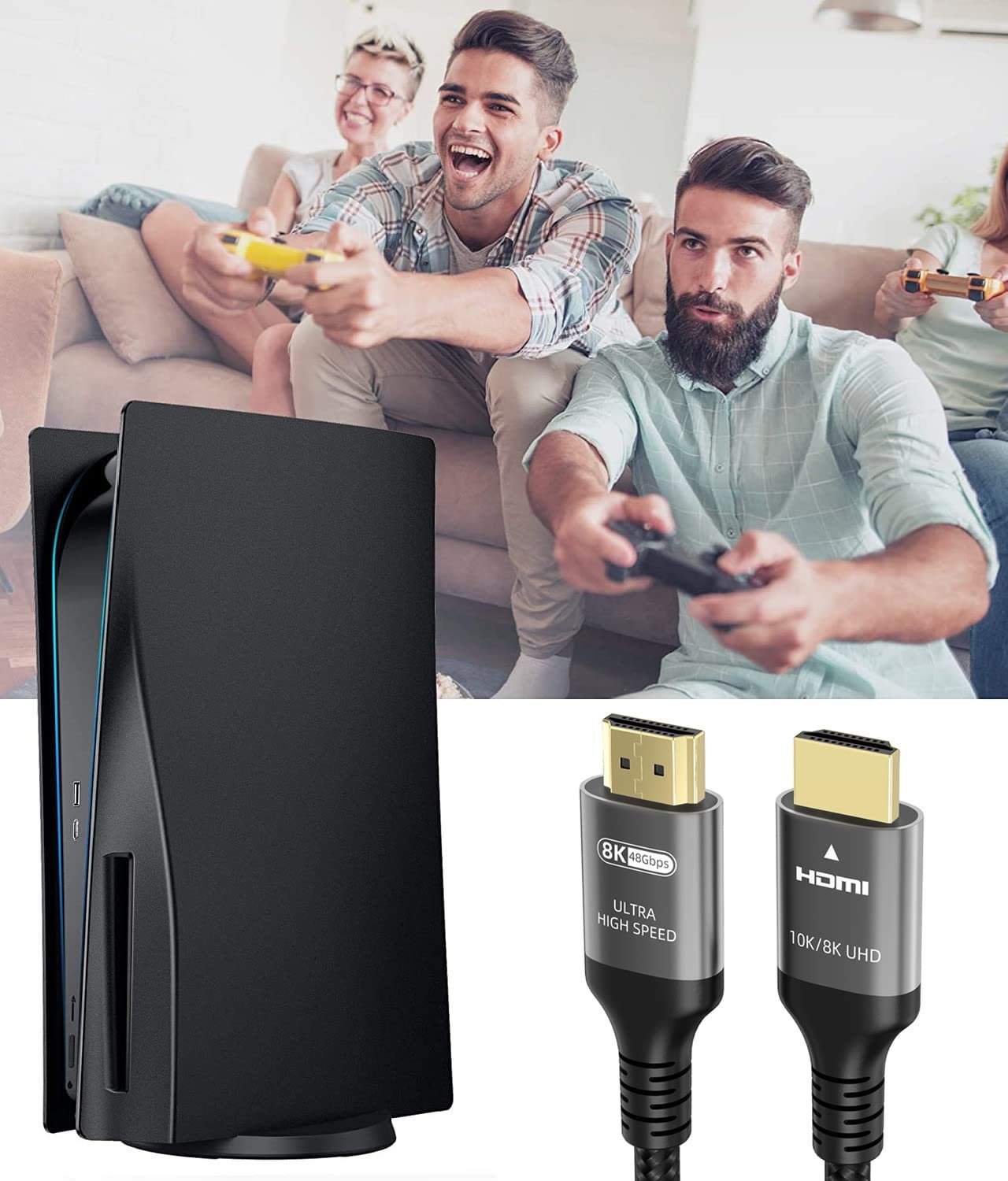
A 4K 120Hz or 8K system needs much more than a basic HDMI connection. High refresh rate gaming, professional displays, video walls, conference rooms, and home theater projects all require stable high-speed transmission. If the cable cannot handle the required bandwidth, the customer may experience black screen, signal drop, color distortion, audio issues, or intermittent display detection.
What professional buyers should check first
Start with the required resolution and refresh rate. A 4K 60Hz project has different requirements from a 4K 120Hz gaming setup or an 8K 60Hz display system. Then check the cable version, bandwidth rating, cable length, certification status, connector quality, and shielding structure. For high-performance systems, HDMI 2.1 and Ultra High Speed HDMI requirements are especially important because they support higher data rates for features such as 4K120, 8K60, VRR, and eARC.
Why cable length changes everything
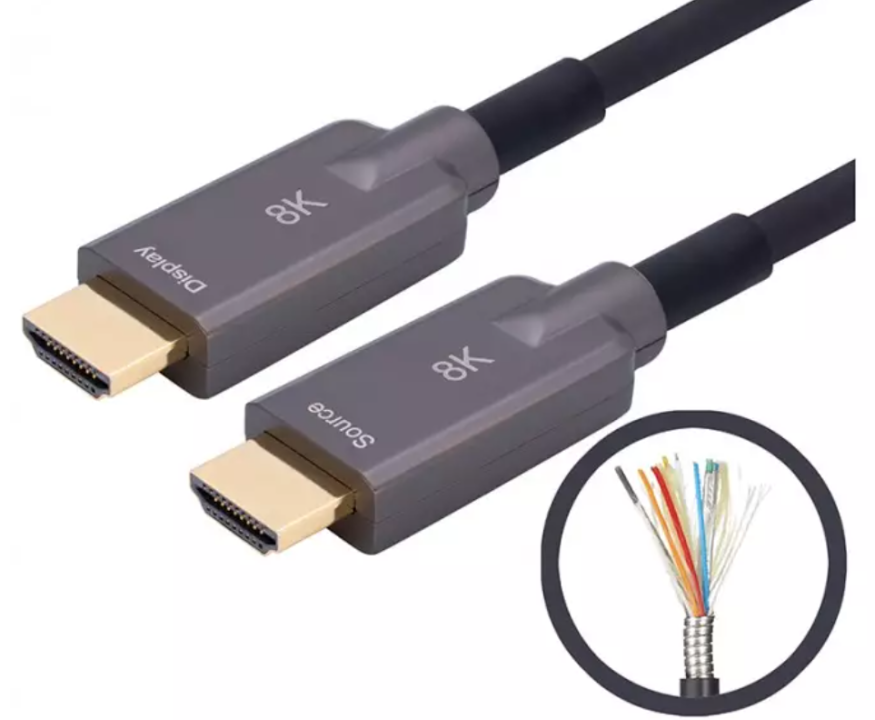
Short copper HDMI cables can often support high bandwidth more easily than long copper cables. As length increases, signal attenuation becomes more serious. This is why some long HDMI runs in meeting rooms, control rooms, lecture halls, or display walls may fail even when the same source and display work with a short cable. For longer transmission, HDMI AOC or hybrid active optical cable solutions can help maintain signal integrity with lower attenuation.
图3
How STAR FIRE TECH creates value
STAR FIRE TECH helps customers build more reliable AV systems by offering HDMI copper cables, HDMI AOC, and hybrid HDMI active optical cable solutions for different installation needs. For distributors and project buyers, the value is not only the product itself. It is the ability to choose the right cable structure for the right project, reduce return risk, support flexible OEM requirements, and improve system stability before installation problems happen.
Quick FAQ for AV buyers
What HDMI cable supports 4K 120Hz? In most cases, buyers should look for an HDMI 2.1 cable with sufficient bandwidth and proper certification.
When should I use HDMI AOC instead of copper? Use HDMI AOC when the distance is longer, the installation is complex, or signal stability is more important than low-cost copper cabling.
Can a low-quality HDMI cable cause black screen? Yes. Bandwidth limitation, poor shielding, connector instability, and long-distance attenuation can all cause black screen or signal drop.
#HDMICable #HDMI21 #4K120Hz #8KDisplay #AVIntegration #ProAV #HomeTheater #GamingSetup #SignalIntegrity #CableManufacturer #STARFIRETECH