Table Of Content
Table Of Content
Why Industrial Ethernet Cables Fail in Moving Applications
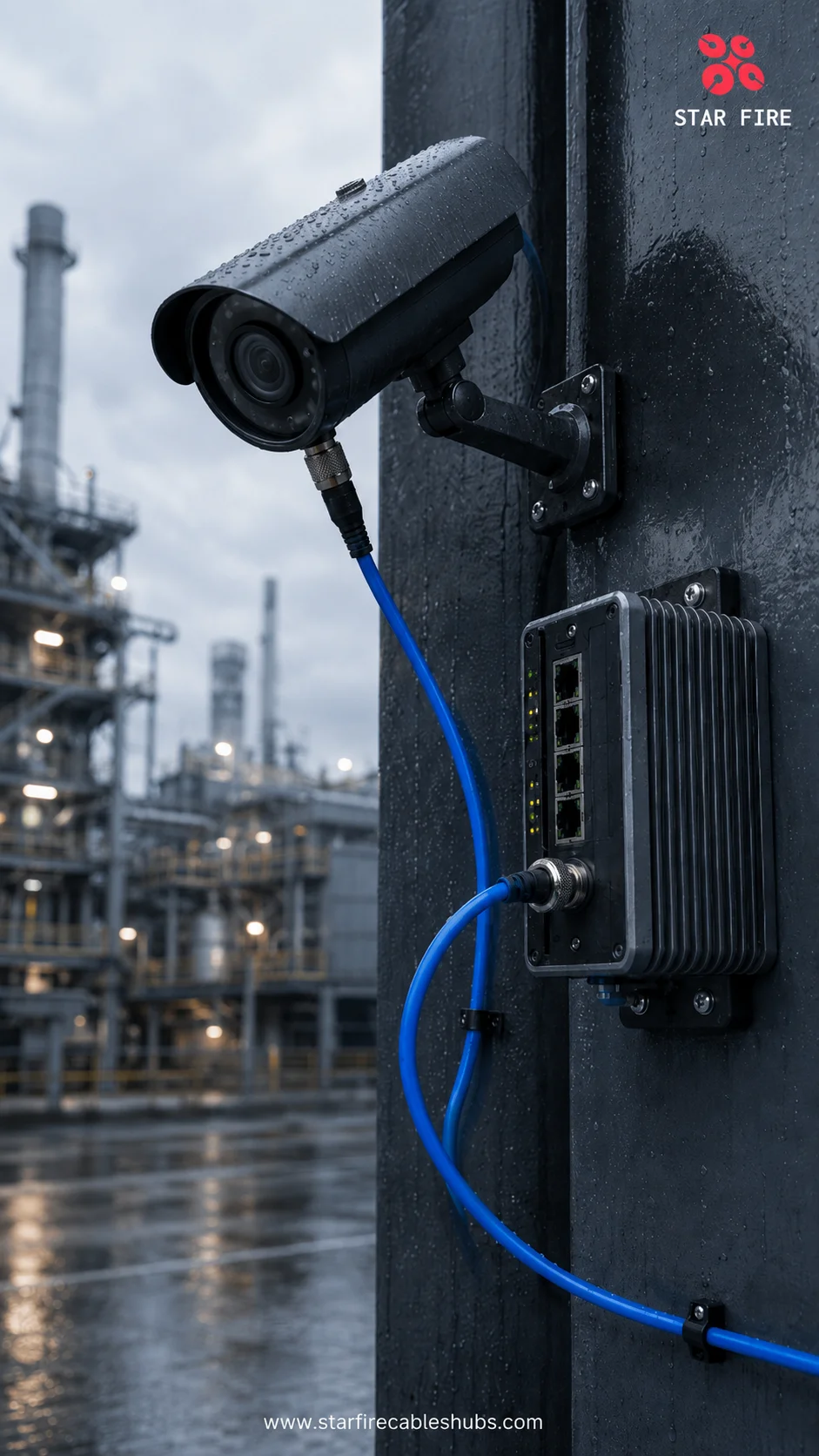
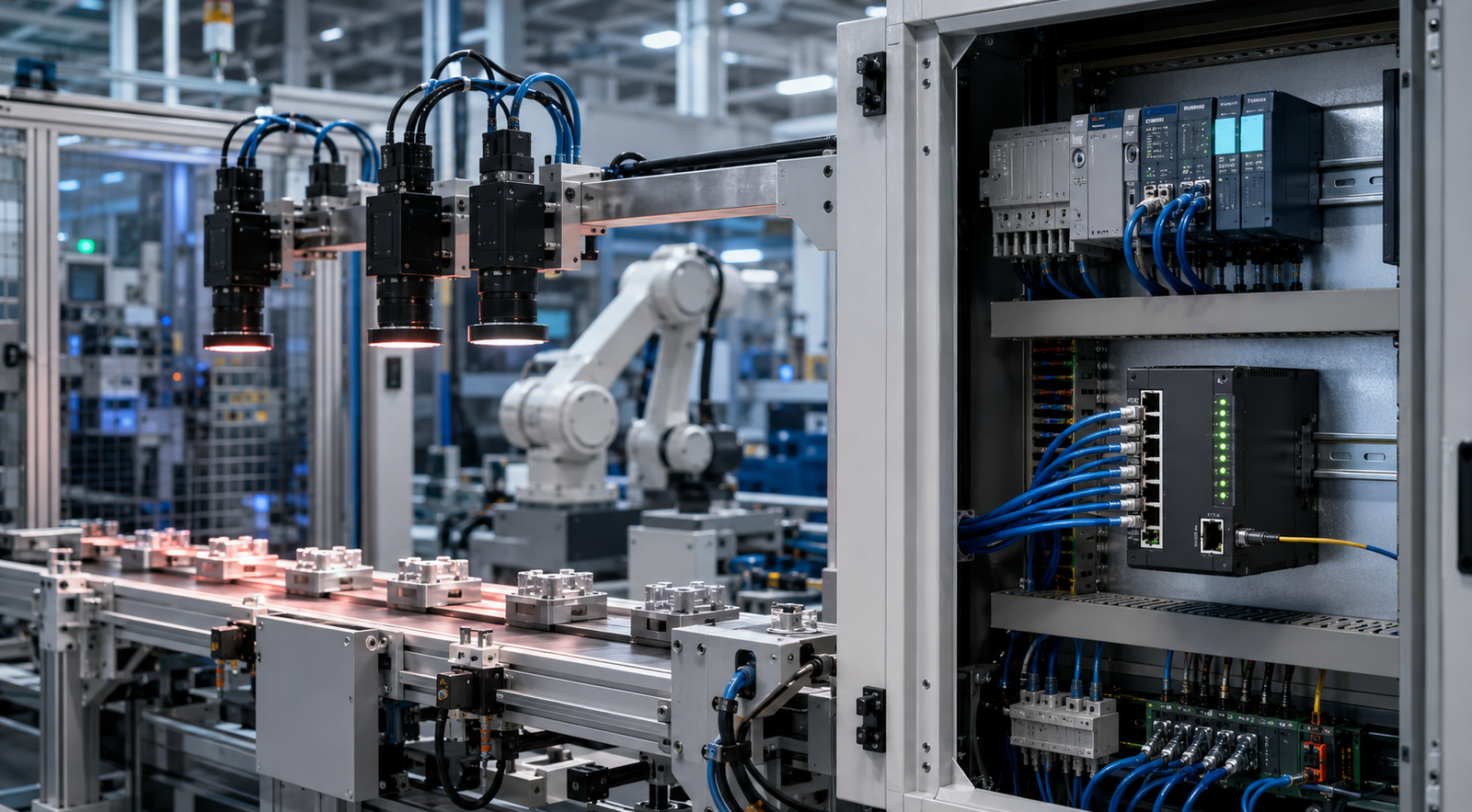
In many automation systems, cables are not installed in one fixed position. They move every day inside drag chains, robotic arms, sliding platforms, automated equipment, and machine vision systems.
At the beginning, the cable may work normally. But after repeated bending, pulling, and twisting, customers may start to see communication errors, signal loss, device alarms, or unexpected downtime.
For engineers, this can be difficult to diagnose because the failure is often intermittent. The machine may work today, fail tomorrow, and then work again after restarting.
The Hidden Stress Behind Cable Failure
Moving applications place constant mechanical stress on cables. A cable that looks fine from the outside may already have internal conductor damage, shielding fatigue, or jacket cracking.
Common causes include:
- Repeated bending beyond the cable’s design limit
- Insufficient drag chain performance
- Poor conductor structure
- Weak jacket material
- Connector stress near the cable exit
- Inadequate strain relief
- Improper cable routing
In industrial Ethernet applications, these problems can lead to packet loss, unstable communication, or complete link failure.
Why Cable Flexibility Matters
Not all industrial cables are designed for continuous movement. Some cables are suitable for fixed installation, while others are designed for dynamic applications.
For drag chains and robotic equipment, customers should pay attention to flex life, jacket material, bending radius, shielding durability, and connector protection.
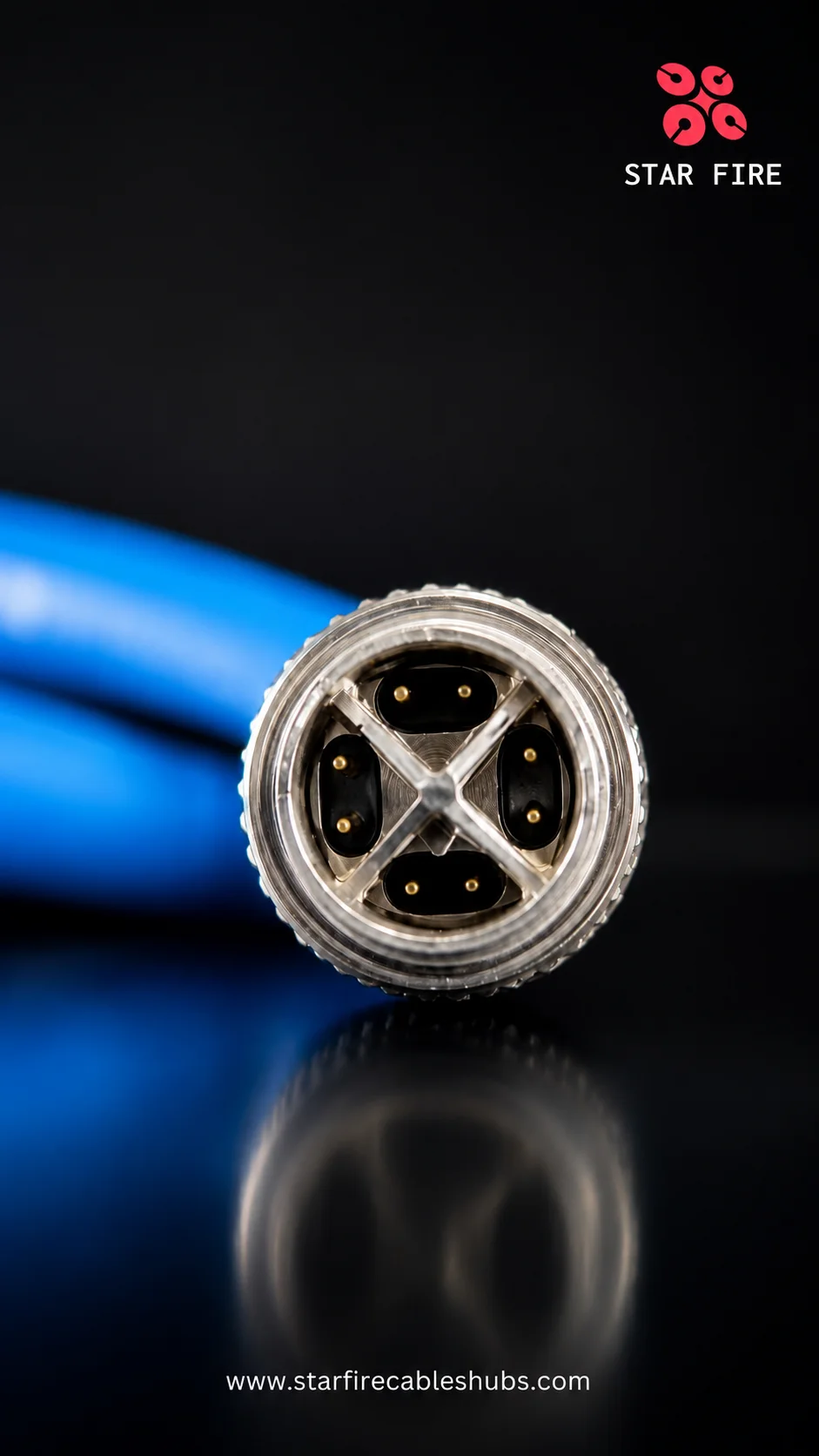
A high-flex M12 cable is not only about being soft. It must maintain signal integrity after repeated movement. This is especially important in machine vision, robotics, automated inspection, and high-speed industrial Ethernet systems.
Customer Impact
When a moving cable fails, the cost is usually much higher than the cable itself.
A failed cable may cause production stoppage, inspection errors, maintenance labor, replacement cost, and delayed delivery. In some applications, one unstable cable can affect the entire machine or production cell.
That is why customers should evaluate cable reliability before installation, not after failure happens.
STAR FIRE TECH Perspective
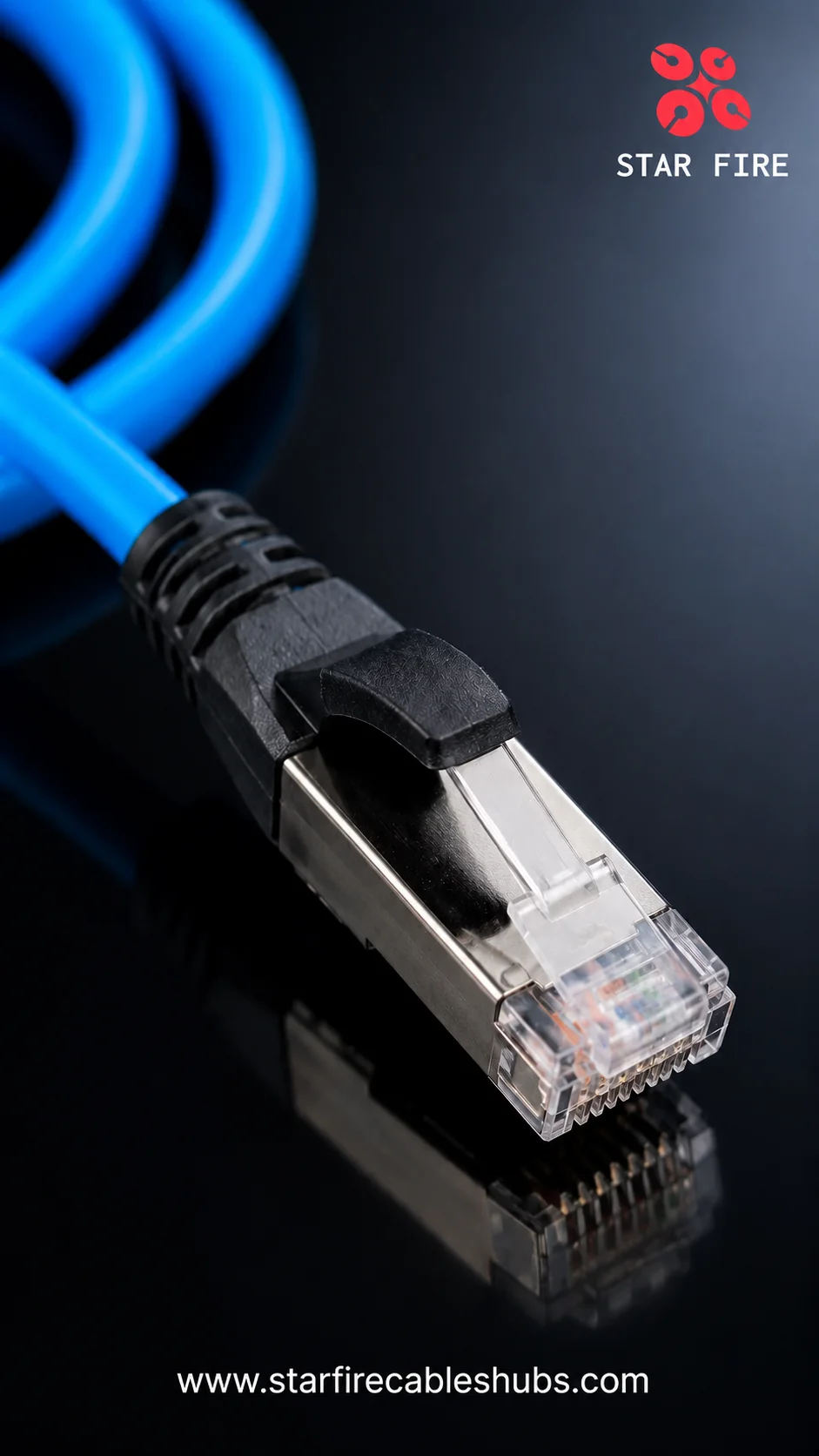
STAR FIRE TECH provides M8 and M12 industrial cable assemblies for fixed and moving applications. For robotic arms, drag chains, and automated equipment, we can support high-flex cable structures, durable PUR or TPE jacket materials, shielding options, and customized connector designs.
Our industrial cable solutions can be developed based on the customer’s real working environment, including movement frequency, bending radius, installation space, connector direction, and signal requirements.
For customers, better cable design means longer service life, fewer unexpected failures, and lower maintenance pressure.
FAQ
Q: Why do cables fail in drag chain applications?
A: Drag chain cables fail when the conductor, shielding, or jacket cannot withstand repeated bending and movement.
Q: Can standard M12 cables be used in moving applications?
A: Standard M12 cables may work for fixed installation, but moving applications usually require high-flex cable design.
Q: What should customers check before choosing a drag chain cable?
A: Customers should check bending radius, flex life, jacket material, shielding structure, connector protection, and installation method.
#M12Cable #DragChainCable #HighFlexCable #RoboticCable #IndustrialEthernetCable #MachineVisionCable #FactoryAutomation #IndustrialAutomation #PURCable #STARFIRETECH