Table Of Content
Table Of Content
The Challenge: Network Instability in Harsh Industrial Environments
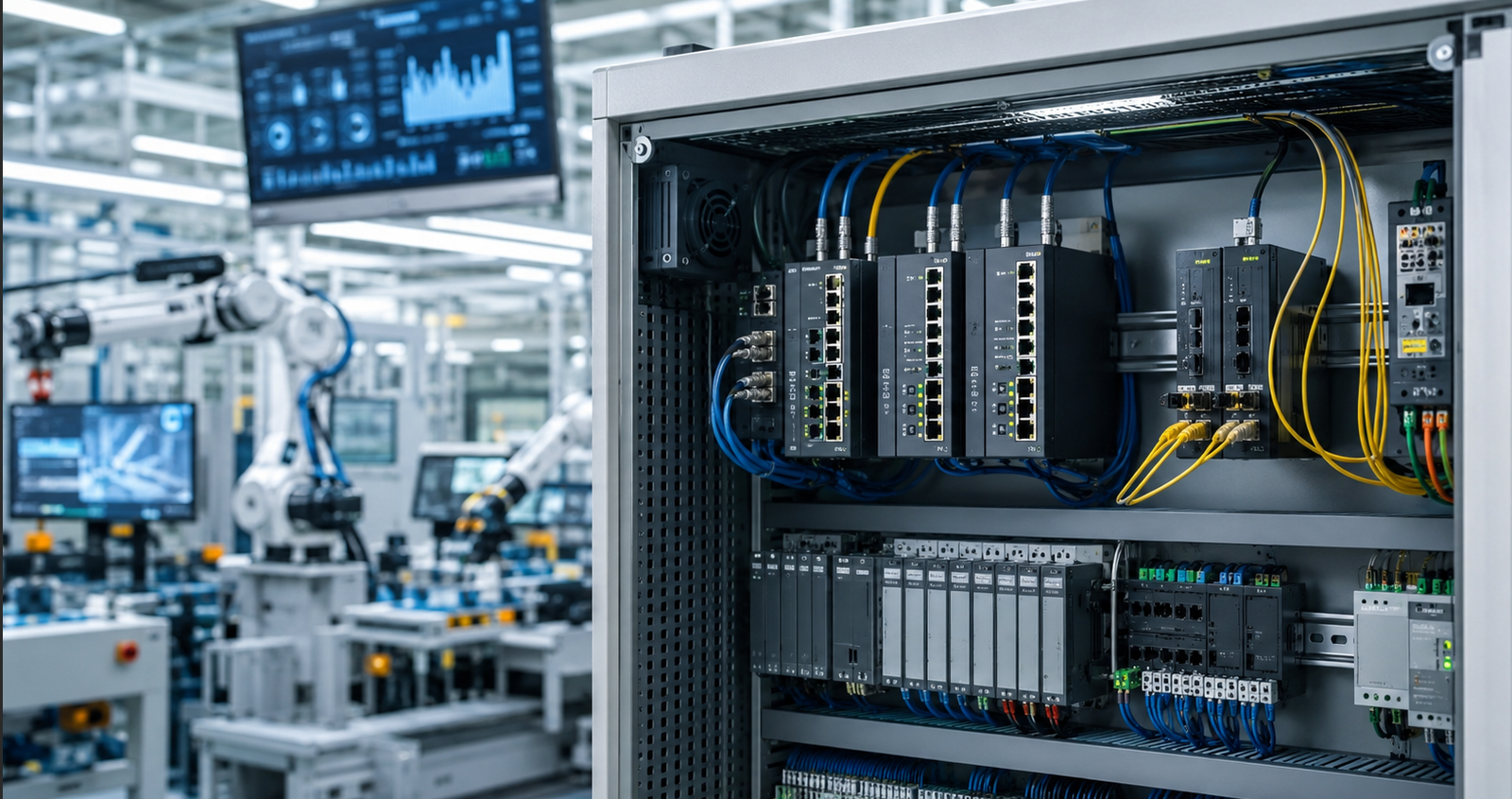
In modern industrial automation, network infrastructure is a foundational component that directly influences production continuity and operational efficiency. Unlike office environments, industrial facilities are exposed to harsh conditions such as electromagnetic interference (EMI), temperature fluctuations, dust, and mechanical vibration.
A mid-sized manufacturing facility operating automated production lines encountered persistent network challenges that began to impact its overall productivity. These issues included intermittent communication failures between programmable logic controllers (PLCs), unstable connections in high-interference zones, and unexpected downtime during critical production cycles.
The facility’s existing network relied on commercial-grade Ethernet switches, which were not designed to withstand industrial conditions. As production demands increased and system complexity grew, these limitations became more pronounced.
Problem Analysis: Limitations of Commercial-Grade Network Equipment
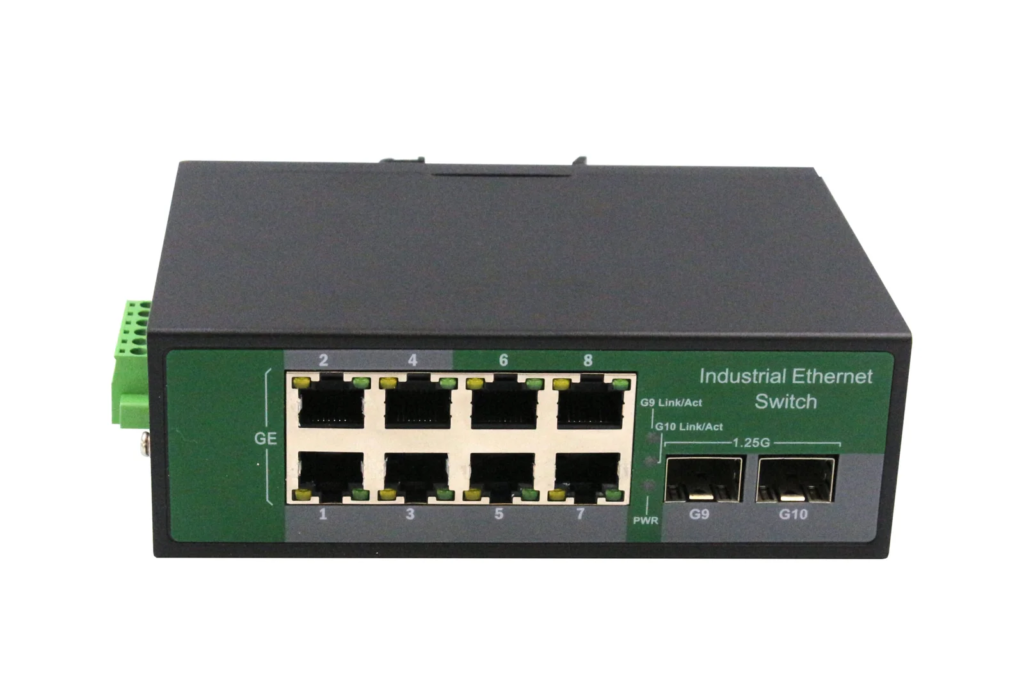
A detailed technical assessment revealed several key weaknesses in the existing network architecture:
First, the switches lacked sufficient resistance to electromagnetic interference, resulting in packet loss and communication delays in areas with heavy machinery.
Second, the devices operated within a narrow temperature range, leading to instability when deployed near heat-generating equipment.
Third, the network topology had no redundancy mechanism, meaning that a single point of failure could disrupt entire production segments.
Finally, the switches did not support industrial communication protocols or rapid failover technologies required for real-time control systems.
These limitations highlighted the need for a purpose-built solution capable of delivering deterministic performance under demanding conditions.
The Solution: Industrial Ethernet Switches for Mission-Critical Networks
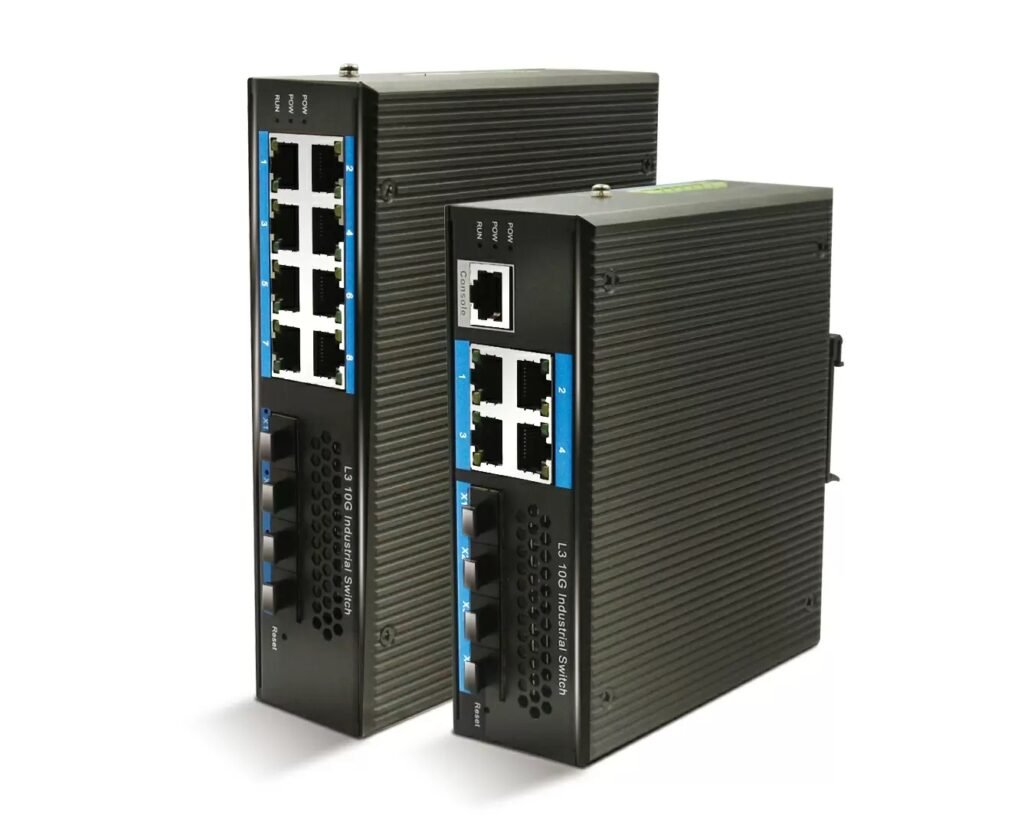
To address these challenges, the facility transitioned to industrial Ethernet switches specifically engineered for harsh environments and real-time communication.
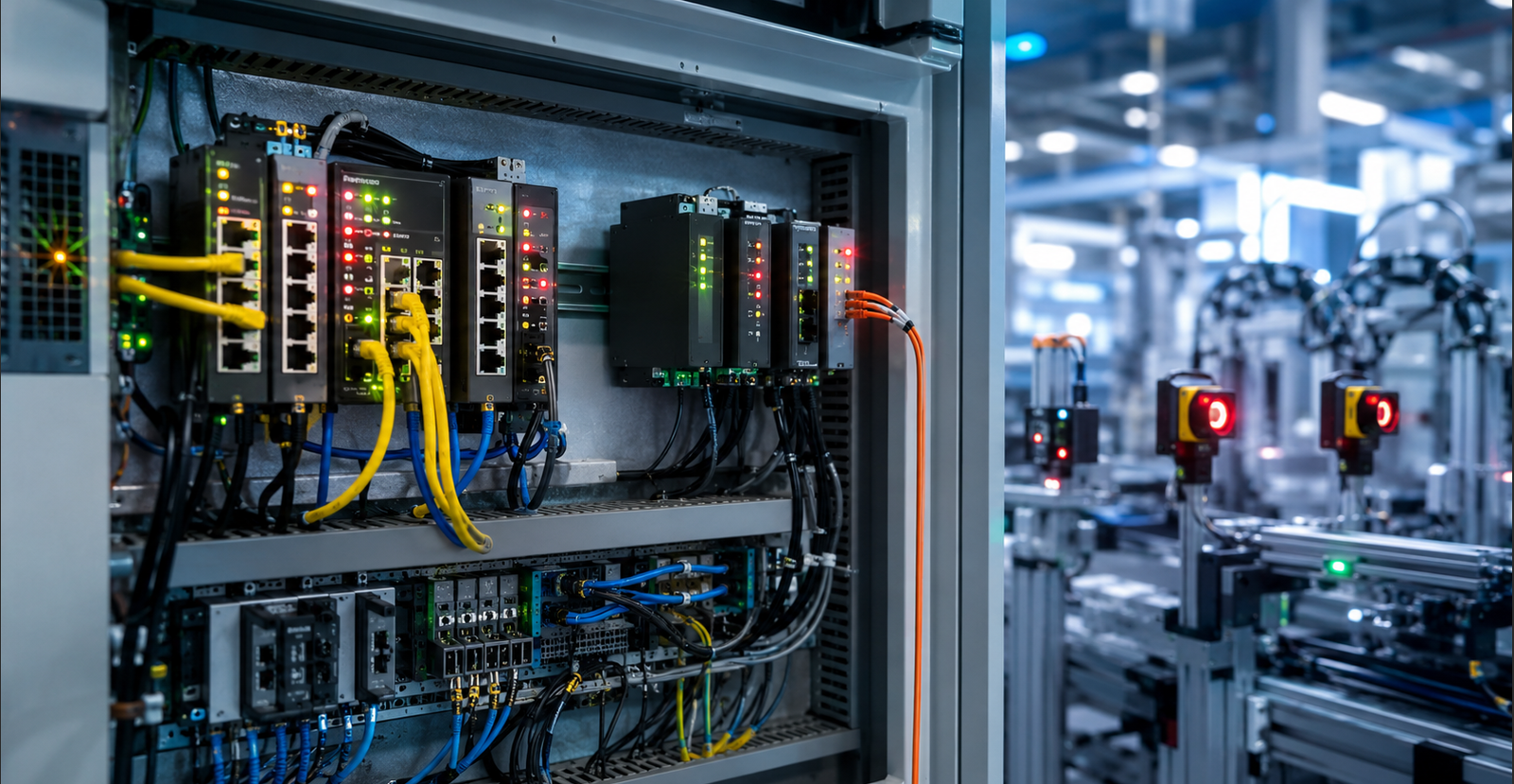
Industrial switches differ from standard commercial devices in several critical aspects. They are designed with ruggedized enclosures, extended operating temperature ranges, and enhanced shielding to mitigate EMI. In addition, they support advanced networking features such as VLAN segmentation, Quality of Service (QoS), and redundancy protocols including Rapid Spanning Tree Protocol (RSTP) and ring-based failover mechanisms.
One of the most significant advantages is their ability to maintain stable, low-latency communication between industrial devices such as PLCs, sensors, and human-machine interfaces (HMIs). This ensures that control commands and data feedback are transmitted without interruption.
Implementation: Structured Network Upgrade with Minimal Disruption
The implementation process was carried out in a phased and controlled manner to avoid production downtime.
The first step involved a comprehensive audit of the existing network, identifying critical nodes and high-risk areas. Based on this assessment, a new network topology was designed using a redundant ring architecture to ensure continuous operation in case of link failure.
Industrial Ethernet switches were then deployed in stages, starting with the most critical production lines. Each installation was followed by real-time performance monitoring to verify stability and identify potential optimization opportunities.
Finally, network management tools were introduced to provide visibility into traffic patterns, device status, and fault conditions, enabling proactive maintenance.
Results: Improved Stability, Efficiency, and Scalability
Following the deployment of industrial Ethernet switches, the facility observed measurable improvements across multiple dimensions.
Network stability increased significantly, with communication interruptions virtually eliminated even in high-interference zones. This directly contributed to a substantial reduction in unplanned downtime.
Data transmission became more consistent and predictable, enabling better synchronization between automated systems. As a result, production efficiency improved and error rates decreased.
Maintenance requirements were also reduced, as the robust design of industrial switches minimized hardware failures and troubleshooting efforts.
In addition, the new network architecture provided a scalable foundation for future expansion, including the integration of Industrial Internet of Things (IIoT) devices and advanced analytics systems.
Technical Insights: Why Industrial Switches Make a Difference
The success of this deployment can be attributed to several key technical factors.
Rugged hardware design ensures reliable operation under extreme environmental conditions.
Redundant network protocols enable rapid failover, minimizing the impact of hardware or link failures.
Advanced traffic management features optimize data flow, ensuring that critical control signals are prioritized.
Extended lifecycle and durability reduce total cost of ownership over time.
These capabilities collectively transform the network from a potential point of failure into a resilient infrastructure backbone.
Conclusion: Building a Reliable Foundation for Industrial Automation
As industrial systems become increasingly interconnected, the importance of reliable network infrastructure continues to grow. Standard networking equipment is often insufficient for environments where stability, real-time performance, and durability are essential.
This case study demonstrates that upgrading to industrial Ethernet switches is not merely a hardware replacement, but a strategic investment in operational reliability and long-term scalability.
Organizations that proactively address network limitations can achieve higher efficiency, reduced downtime, and greater readiness for future technological advancements.
Industry Keywords
#IndustrialEthernet
#IndustrialSwitch
#SmartManufacturing
#AutomationNetwork
#PLCCommunication
#IIoT
#NetworkReliability
#FactoryAutomation
#EdgeNetworking
#Industry40