Table Of Content
Table Of Content
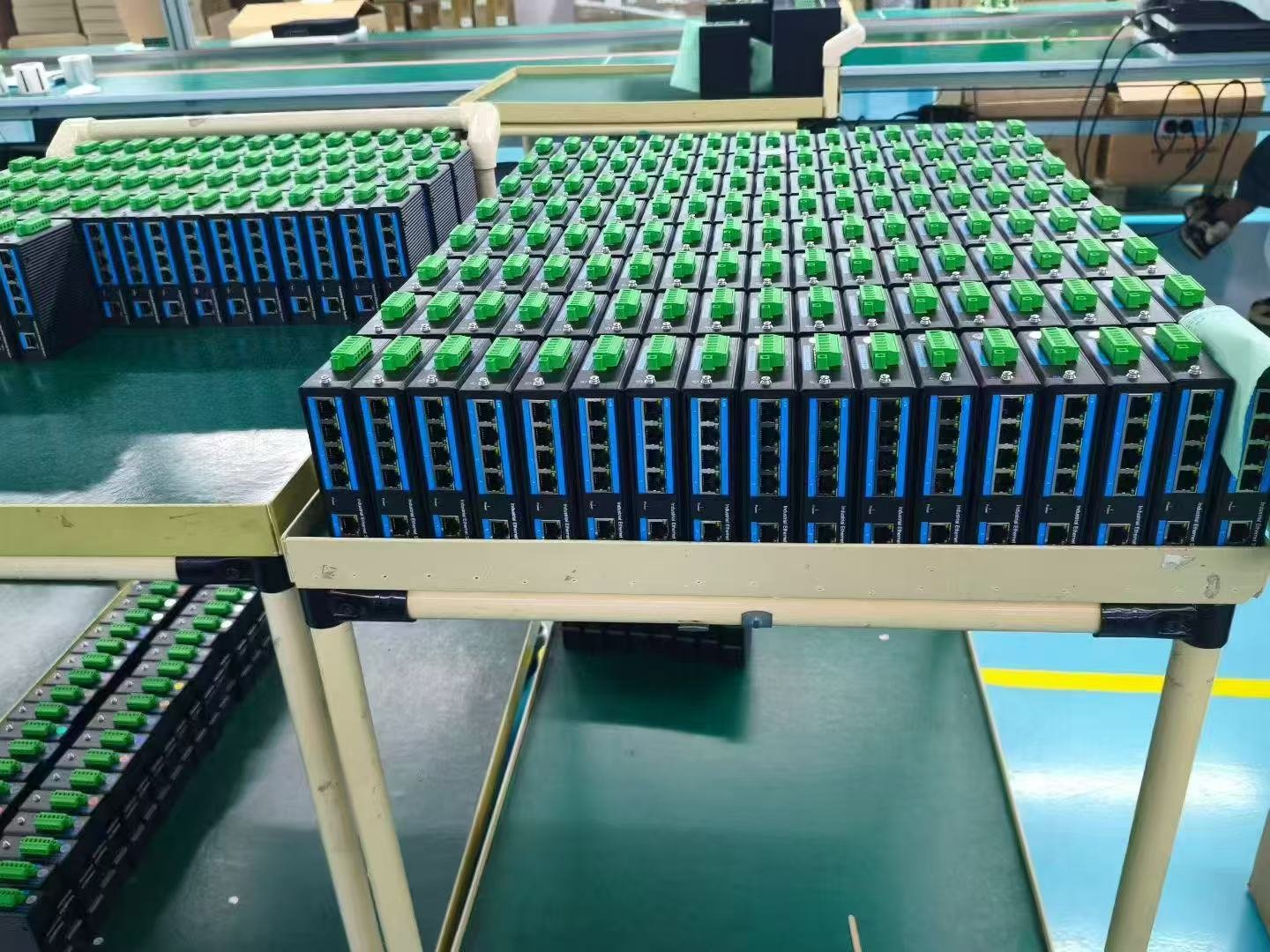
For a small PLC network, an unmanaged Ethernet switch can look perfectly adequate. Connect the PLC, HMI, remote I/O, drives, and perhaps a vision system, and the packets move. That simplicity is attractive – and in the right application, it is completely valid.
But automation networks rarely remain simple for long. More devices, remote diagnostics, cybersecurity requirements, cameras, machine vision, and control-room systems change the risk. The real question becomes whether the network can be observed, segmented, protected, and recovered when something goes wrong.
After two decades working with connectivity and Pro AV systems, I use a simple principle: unmanaged switches are about connectivity; managed switches are about control of the network itself.
Start With the Application, Not the Switch
A managed switch should not be specified simply because it is more advanced. In a small, isolated machine with a fixed topology, low traffic, no redundancy requirement, and easy physical access, an industrial-grade unmanaged switch can be the most sensible choice. Fewer settings also mean fewer opportunities for configuration mistakes.
The decision changes when the network becomes production-critical. If downtime is expensive, several switches are interconnected, multicast is present, or OT traffic shares infrastructure with other systems, management features become part of the reliability strategy.
What Managed Switches Actually Add to a PLC Network
The first benefit is visibility. Port status, traffic counters, errors, link events, SNMP, and syslog data turn troubleshooting from guesswork into evidence.
The second is traffic control. VLANs separate control, engineering, cameras, and Pro AV endpoints; QoS prioritizes time-sensitive traffic; IGMP snooping limits unnecessary multicast flooding; storm control helps contain abnormal traffic.
The third is resilience. RSTP, MRP in PROFINET, and DLR in EtherNet/IP can support redundant paths and fault recovery. The engineering principle is simple: a production network should have defined behavior when a link fails.
PROFINET and EtherNet/IP: Why Protocol Context Matters
Industrial Ethernet is not one homogeneous workload. PROFINET and EtherNet/IP both use standard Ethernet foundations, but real systems may depend on protocol-specific behavior, topology discovery, prioritization, diagnostics, and redundancy.
PROFINET-certified managed switches commonly support LLDP, DCP, MRP, SNMP, diagnostic alarms, traffic statistics, and PROFINET frame prioritization. In EtherNet/IP networks, ODVA notes that managed switches are not always required for performance in an isolated control network, but QoS, IGMP, rate limiting, port security, and disabling unused ports can improve control and security.
This is an important distinction: 'managed' does not automatically mean 'better performance.' Its value is that it gives the engineer mechanisms to shape network behavior, troubleshoot faults, and reduce the blast radius of failures.
Five Situations Where I Would Strongly Prefer a Managed Switch
1) Multiple PLC cells or interconnected switches. Once a network spans several machines, cabinets, or production areas, topology and fault isolation become much more important.
2) Multicast or high-bandwidth devices. Industrial cameras, machine vision, some discovery protocols, AV over IP, Dante, AES67, NDI, and other real-time media workflows can introduce traffic patterns that should be controlled rather than blindly flooded.
3) Redundancy requirements. If a single cable failure cannot be allowed to stop production, the network needs an intentional redundancy design and compatible switches.
4) Remote maintenance and diagnostics. SNMP, port mirroring, event logs, link statistics, and remote configuration can shorten troubleshooting dramatically – especially when the problem is intermittent.
5) OT/IT or OT/Pro AV convergence. When PLC control, SCADA, visualization, digital signage, control-room video, conferencing, or AV over IP share physical infrastructure or uplinks, VLANs, QoS, multicast management, and security controls become far more important.
Where Pro AV and Industrial Networking Are Converging
In factories, energy facilities, transportation hubs, and control rooms, the same broader infrastructure increasingly carries operational data and real-time media: PLC/SCADA traffic, IP video, KVM, audio, camera feeds, and digital signage.
Pro AV engineers already know the cost of poor multicast design. Dante and other networked-audio systems depend on correct QoS and multicast behavior, while AV over IP often relies on IGMP, VLAN design, and adequate uplink bandwidth. The same discipline applies to automation: understand the traffic, segment it deliberately, and make failure modes visible.
This is why the line between an 'industrial switch' and an 'AV switch' is becoming less about the label on the enclosure and more about whether the hardware, environmental design, protocol support, and management capabilities match the application.
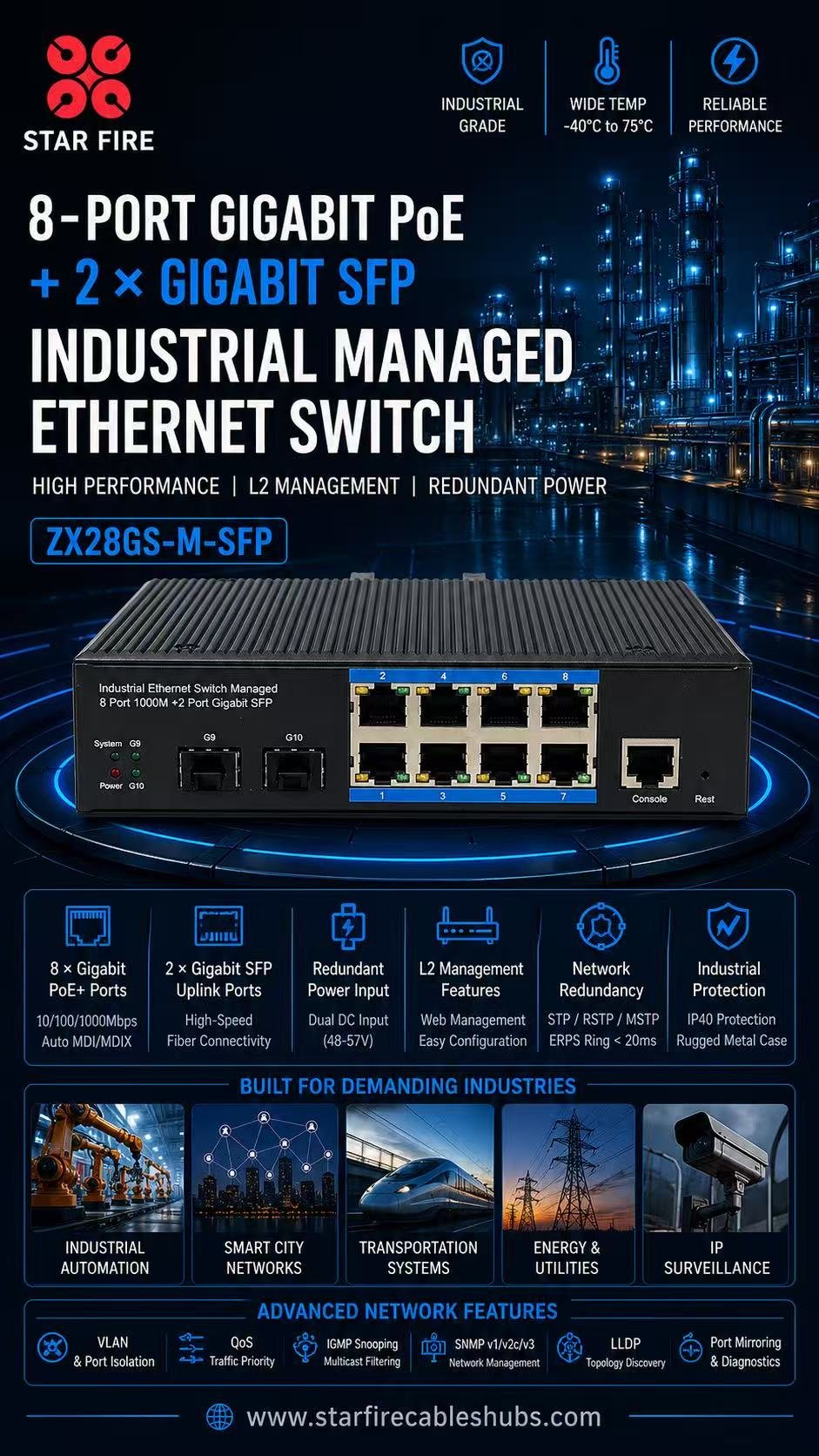
Managed Does Not Mean Complicated – If the Design Is Disciplined
Managed switches do add configuration risk. A badly configured managed switch can create more problems than an unmanaged one.
Good design therefore uses the minimum necessary feature set. Use VLANs only for purposeful segmentation. Enable IGMP snooping when multicast requires it, define the querier correctly, apply QoS according to protocol needs, choose one appropriate redundancy strategy, and document every non-default setting.
The goal is not maximum configuration. The goal is predictable behavior.
A Practical Selection Checklist
Before deciding between managed and unmanaged, ask:
– How many PLCs, HMIs, drives, remote I/O modules, cameras, and other endpoints are connected?
- Will more than one switch be used?
- Does the application use PROFINET, EtherNet/IP, Modbus TCP, OPC UA, industrial vision, or AV over IP?
- Is multicast present today, or likely later?
- Is network redundancy required?
- Do you need VLANs to separate control, maintenance, video, or enterprise traffic?
- Is remote monitoring through SNMP, syslog, or a management platform valuable?
- Do unused ports need to be disabled or controlled?
- What uplink bandwidth is required – 1G, 2.5G, 10G, or fiber?
- Does the installation require DIN-rail mounting, wide-temperature operation, redundant DC power, fanless design, PoE, SFP/SFP+ uplinks, or enhanced EMI resistance?
The Decision Rule I Use
For a single, isolated machine where the network is small and non-critical, an industrial unmanaged switch can be the right answer.
For a production network where downtime, security, diagnostics, scalability, multicast, redundancy, or convergence matter, I would normally choose a managed industrial Ethernet switch.
The reason is not that every PLC needs management. It is that modern automation increasingly requires the network itself to become an engineered system – not just a collection of cables and ports.
A Broader Connectivity Perspective
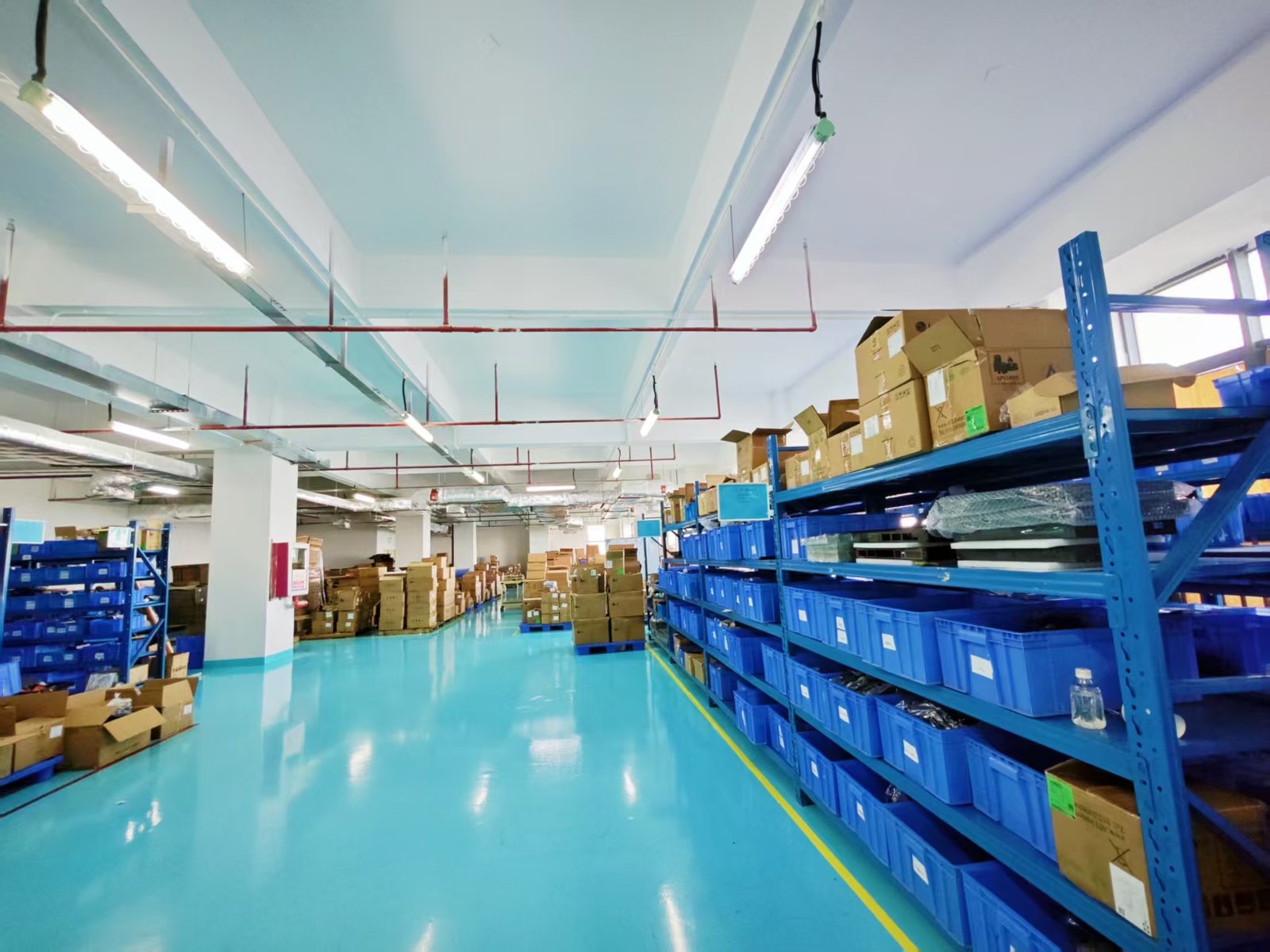
At STAR FIRE TECH, we work across Professional AV, optical fiber communication, structured cabling, and industrial communication. Across factories, control rooms, machine vision, smart infrastructure, and AV over IP, the same design questions keep returning: bandwidth, latency, multicast, EMI, fiber distance, PoE, redundancy, and maintainability.
When evaluating an industrial switch, look beyond the datasheet headline. Ask how it will behave during congestion, a link failure, a multicast event, or the next system expansion. Those are the moments when architecture becomes visible.
A PLC can execute perfect logic and still be limited by an unstable network. The best Ethernet architecture is therefore not the one with the most features – it is the one that gives the application enough performance, visibility, isolation, and resilience for its real operating conditions.
In industrial networking, reliability is rarely created by one component. It is created by making the right design decisions before the failure occurs.
FOR ENGINEERS TO REMEMBER
Do not choose a managed switch because the feature list is longer. Choose it when visibility, segmentation, multicast control, redundancy, diagnostics, security, or future growth have engineering value.