Table Of Content
Table Of Content
The HDMI market is changing. Distributors who rely only on existing cable products may miss new opportunities. So how can they prepare without taking unnecessary inventory risks?
Distributors can prepare for HDMI 2.2 by reviewing their current HDMI cable portfolios, understanding Ultra96 HDMI Cable requirements, choosing certified cable manufacturers, and introducing new products based on customer demand. A step-by-step product strategy can help distributors reduce purchasing risks and build stronger product lines.
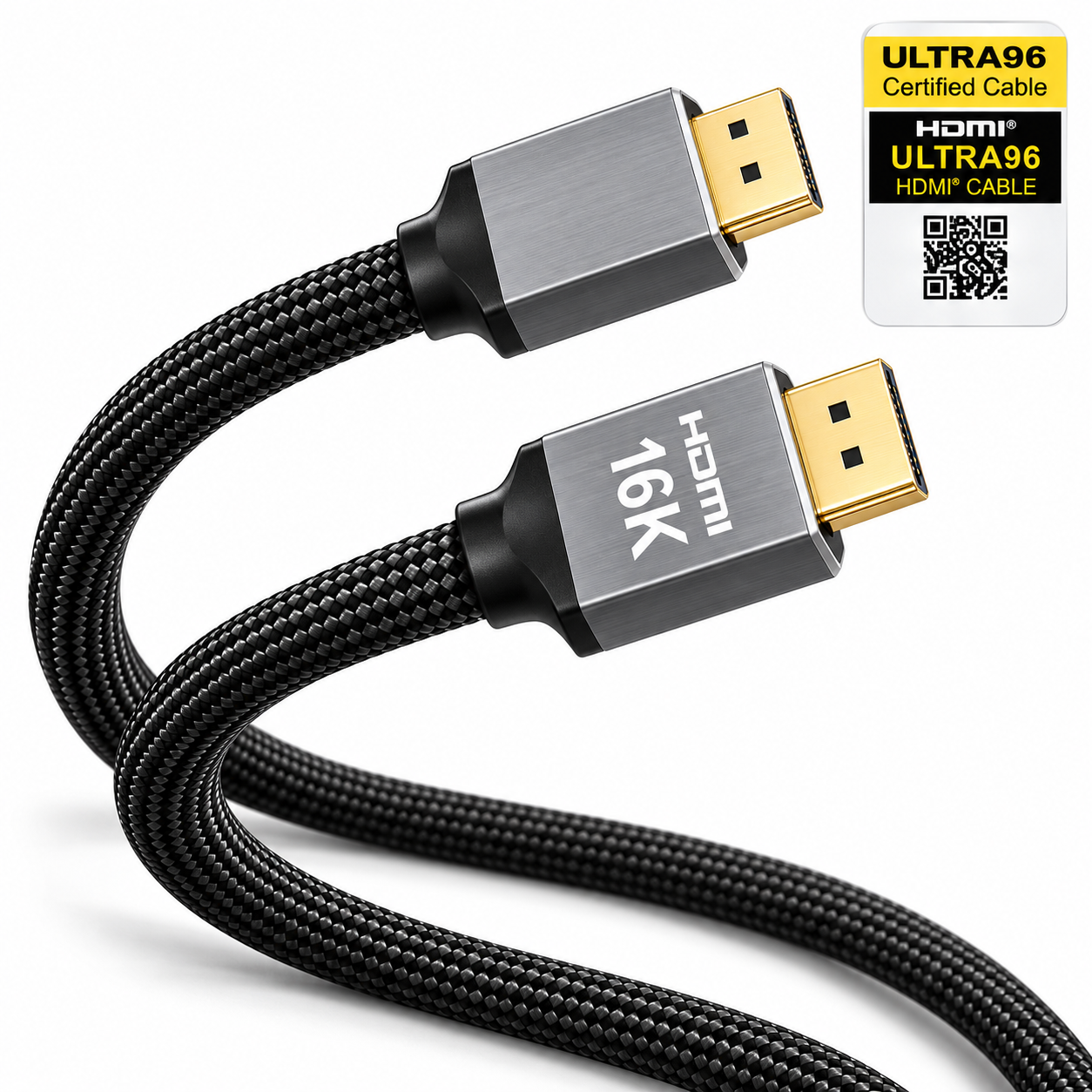
HDMI technology continues to develop as customers expect better video quality, higher refresh rates, and more reliable connections.
The HDMI 2.2 Specification introduces bandwidth of up to 96Gbps, compared with the 48Gbps maximum supported by Ultra High Speed HDMI Cables.
For distributors, this change creates new opportunities. It also brings new questions.
Should distributors replace their existing HDMI cables? How can they identify reliable HDMI 2.2 cable manufacturers? Which cable lengths should they introduce first?
From my experience in the connectivity manufacturing industry, I believe distributors should focus on more than technical specifications.
Product certification, manufacturing quality, customer demand, and long-term supply stability all matter.
A good product strategy starts with understanding what customers need today and what they may need tomorrow.
1. What Is the Difference Between HDMI 2.1 and HDMI 2.2?
Many distributors already sell HDMI 2.1 cables. Now HDMI 2.2 offers higher bandwidth. Without understanding the difference, distributors may struggle to choose the right products.
The main difference between HDMI 2.1 and HDMI 2.2 is maximum bandwidth. HDMI 2.1 introduced Ultra High Speed HDMI Cables supporting up to 48Gbps, while HDMI 2.2 introduces Ultra96 HDMI Cables supporting up to 96Gbps. This higher bandwidth supports more advanced video formats and future display applications.
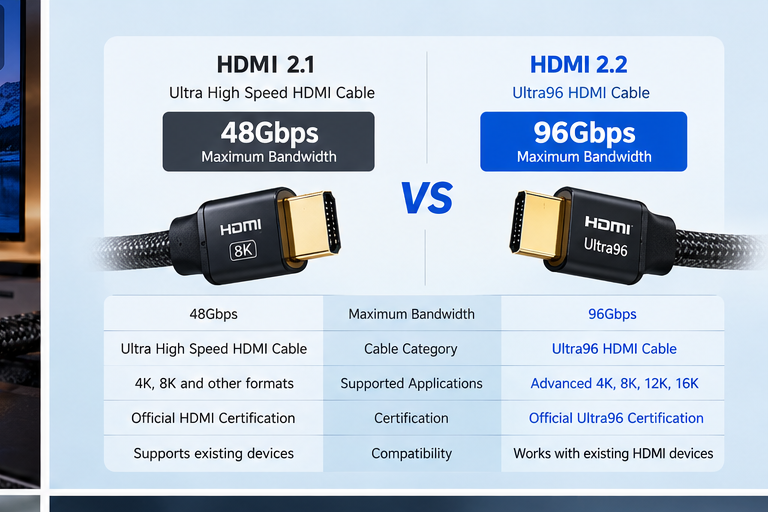
Understanding the Technical Differences
When I discuss HDMI products with distributors, I often find that bandwidth is one of the first specifications they compare.
However, bandwidth alone does not explain the full value of a cable.
The HDMI 2.2 Specification supports higher-bandwidth video formats, including uncompressed 4K at 240Hz and 8K at 60Hz with full chroma and higher color depth.
It also provides options for higher resolutions, including 12K and 16K, when the complete system supports the required format.
Feature
HDMI 2.1
HDMI 2.2
Maximum specification bandwidth
48Gbps
96Gbps
Cable category
Ultra High Speed HDMI Cable
Ultra96 HDMI Cable
High-bandwidth applications
4K, 8K and other supported formats
Advanced 4K, 8K and higher-resolution formats
Cable certification
Official HDMI certification program
Official Ultra96 HDMI Cable certification program
Compatibility
Supports existing HDMI equipment
Ultra96 cables work with existing HDMI equipment
What Does This Mean for Distributors?
I do not believe distributors need to replace every existing HDMI cable immediately.
Many customers still use 1080p, 4K, and HDMI 2.1 equipment.
These customers may not need 96Gbps transmission.
Instead, I recommend building a product portfolio that serves different customer groups.
Existing certified HDMI cables can continue serving established applications.
Ultra96 HDMI Cables can become a premium product category for customers preparing for higher-bandwidth equipment.
This approach allows distributors to introduce new technology while protecting demand for their current products.
2. How Can Distributors Choose a Reliable HDMI 2.2 Cable Manufacturer?
Not every cable supplier offers the same quality. A low purchase price may look attractive, but poor certification control or unstable performance can create customer complaints and returns.
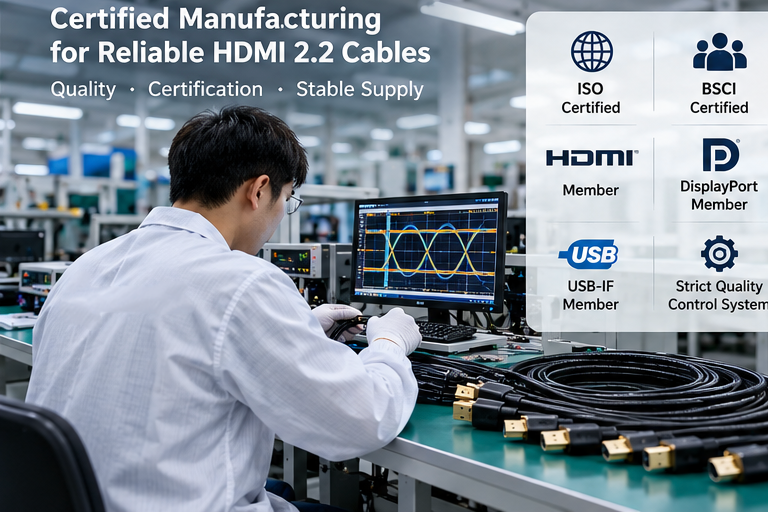
Distributors should choose an HDMI 2.2 cable manufacturer by checking official Ultra96 certification, product testing, manufacturing experience, quality management, production capacity, and OEM/ODM support. They should also confirm that the required cable models and lengths are certified before placing orders.
Why Does Official HDMI Certification Matter?
From my perspective, certification is one of the most important factors when selecting an HDMI cable supplier.
The official Ultra96 HDMI Cable Certification Program requires cable models and lengths to pass testing at an HDMI Forum Authorized Testing Center.
Certified cables must also use the required identification and certification labels.
This helps distributors verify product compliance and reduce the risk of misleading performance claims.
I recommend checking the following points before purchasing:
Evaluation Area
What I Recommend Checking
Official certification
Certification status for each required model and length
Signal performance
High-bandwidth testing and signal integrity
Quality control
Incoming, in-process, and outgoing inspections
Manufacturing experience
Experience with high-speed cable production
OEM/ODM services
Custom branding, packaging, and product options
Supply stability
Production capacity and delivery reliability
Technical support
Support for testing, specifications, and product questions
Why Is Manufacturing Experience Important?
High-bandwidth cables require careful control during manufacturing.
Cable structure, conductor quality, shielding, impedance, and connector assembly can affect signal performance.
Even small manufacturing differences may become important when transmission speeds increase.
At STAR FIRE TECH, we have worked in connectivity solutions since 2006.
Our business covers Professional Audio Visual, Optical Fiber Communication, and Industrial Communication solutions.
We operate under ISO-based quality management practices and hold BSCI certification.
We are also an HDMI Adopter, VESA/DisplayPort member, and USB-IF member.
Our manufacturing experience includes certified HDMI cable products across different lengths.
For our new Ultra96 HDMI Cable product line, we focus on high-bandwidth performance, official certification, consistent manufacturing quality, competitive pricing, and OEM/ODM support.
I believe distributors should evaluate the total value of a supplier rather than compare unit prices alone.
3. How Can Distributors Add HDMI 2.2 Cables to Their Product Lines?
Introducing a new cable standard can be risky. Distributors may invest in too many products before customer demand becomes clear. A planned launch can reduce this risk.
Distributors can introduce HDMI 2.2 cable products by identifying target customers, selecting popular cable lengths, confirming certification, testing samples, and launching a limited product range first. They can then expand their portfolios based on customer feedback, sales performance, and demand for higher-bandwidth applications.
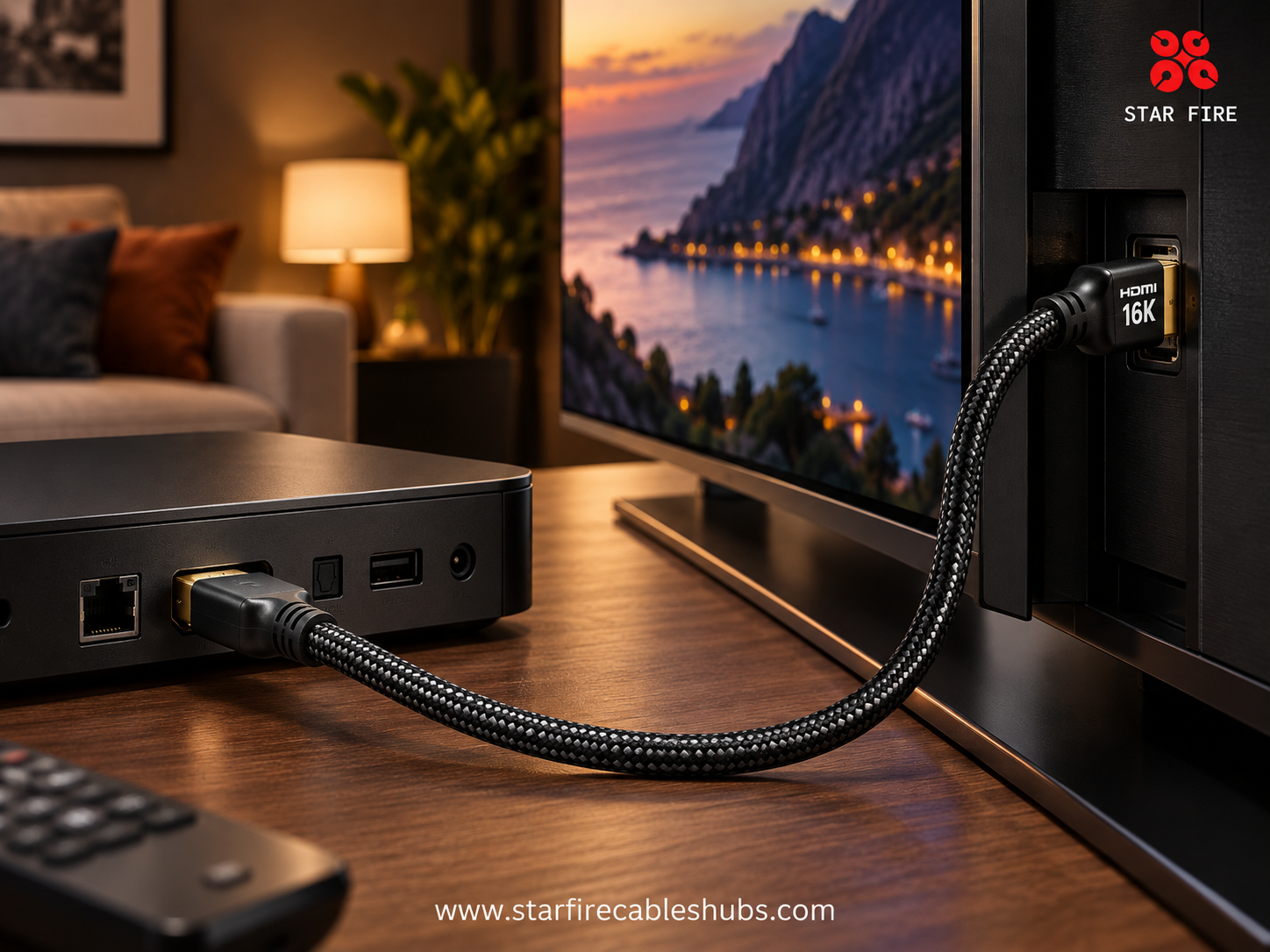
Start With Customer Applications
When planning a new product line, I recommend starting with customer applications instead of immediately selecting every available cable length.
Different buyers have different needs.
Gaming accessory brands may focus on high-refresh-rate display connections.
Professional AV distributors may need dependable cables for conference rooms, digital signage, and commercial display systems.
Electronics retailers may prefer standard lengths and easy-to-understand packaging.
Target Customer
Potential Product Opportunity
Gaming accessory brands
Premium high-bandwidth HDMI cables
Professional AV distributors
Reliable HDMI connectivity solutions
Consumer electronics retailers
Certified cables with clear product information
Private-label cable brands
OEM/ODM Ultra96 HDMI Cable products
System integrators
Tested cable options for specific installations
Introduce the Right Cable Lengths
I believe cable length selection should be based on real purchasing demand.
Shorter cable lengths are often suitable for desktop equipment, gaming systems, and home entertainment setups.
Longer cables may be required for conference rooms or commercial installations.
However, distributors should not assume that every length provides identical high-bandwidth performance.
Each model and length must meet the applicable certification requirements.
At STAR FIRE TECH, our Ultra96 HDMI Cable development includes lengths from 0.5m to 5m, with certified options available.
We also support OEM/ODM requirements such as custom branding, packaging, and product presentation.
Build a Product Launch Plan
I recommend introducing a focused range first.
Distributors can begin with samples, technical reviews, and customer feedback.
After that, they can choose the most suitable models for regular inventory.
Product descriptions should clearly explain supported bandwidth, certification status, and intended applications.
I also recommend working closely with the manufacturer to confirm production schedules and packaging requirements.
This approach can help distributors avoid unnecessary stock while preparing for future demand.
4. Why Should Distributors Consider HDMI 2.2 Cables for Future Growth?
New connectivity standards create opportunities, but demand does not grow overnight. Distributors who invest without understanding the market may face slow sales and inventory pressure.
Distributors should consider Ultra96 HDMI Cables because they support higher-bandwidth applications and can help expand premium connectivity product lines. However, successful growth depends on customer adoption, verified product performance, competitive pricing, and reliable manufacturing partnerships rather than new technology alone.
Why Does Early Product Planning Matter?
I believe early preparation gives distributors more time to understand a new product category.
It allows them to evaluate suppliers, review certifications, compare samples, and prepare marketing materials before demand increases.
However, early preparation does not always mean placing large orders.
For example, a distributor serving professional AV customers may first ask existing buyers whether they expect to upgrade to higher-bandwidth equipment.
A gaming accessory distributor may study upcoming monitor and graphics hardware requirements.
These conversations can provide useful information before purchasing decisions are made.
How Can Distributors Create More Value?
In my view, distributors should not compete only on price.
Customers also value reliable performance, clear product information, and consistent supply.
Business Challenge
Possible Distributor Strategy
Strong price competition
Offer verified premium cable products
Customer concerns about quality
Provide certification information
Similar products from competitors
Develop private-label packaging
Uncertain market demand
Start with selected models
Inconsistent supplier performance
Build long-term manufacturer relationships
Technical customer questions
Work with suppliers offering technical support
Why Do OEM/ODM Services Matter?
OEM/ODM services allow distributors and cable brands to create products that fit their own markets.
Custom packaging can help products match an existing brand identity.
Clear technical specifications can help customers select suitable cables.
Consistent product quality can also support repeat orders.
At STAR FIRE TECH, we understand that distributors need more than a cable supplier.
They need a manufacturing partner that can support product development, certification requirements, quality control, and supply planning.
Our Ultra96 HDMI Cable solutions are designed to help global cable brands and distributors prepare for the next generation of high-bandwidth audio and video connectivity.
I believe the best long-term opportunities will come from matching reliable products with real customer needs.
Conclusion
I believe distributors can prepare for HDMI 2.2 by choosing certified products, understanding customer demand, and building reliable manufacturing partnerships before expanding their product lines.
Learn more: https://starfirecableshubs.com/