Table Of Content
Table Of Content
How to Build a Reliable Industrial Ethernet Network for Roadside and Tunnel Monitoring
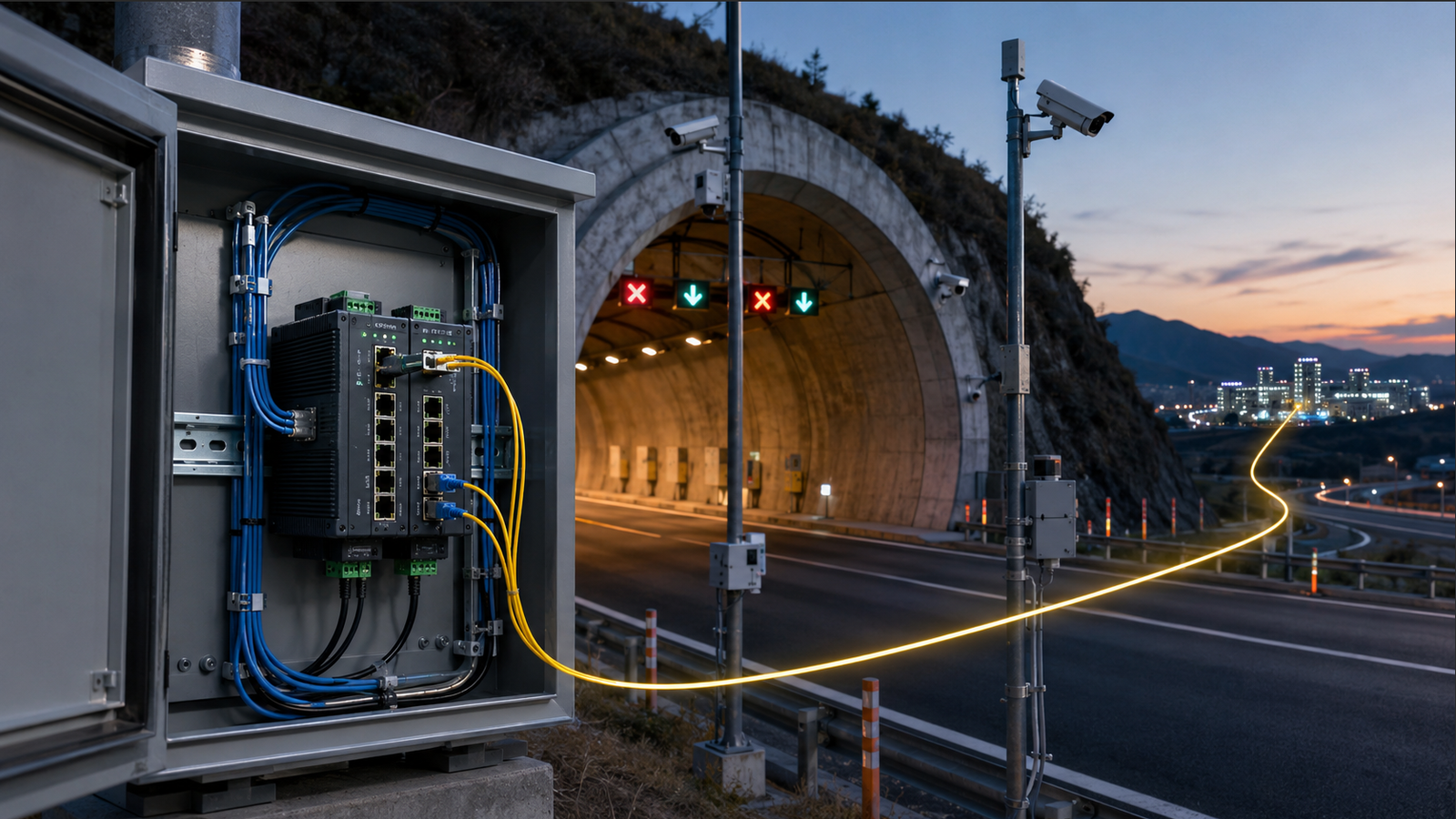
Traffic monitoring and tunnel surveillance projects are not ordinary network installations. Devices may be installed along highways, inside tunnels, in roadside cabinets, at intersections, or in remote outdoor locations. Once the system goes online, maintenance access can be difficult and expensive.
For customers, the network must support stable video, sensor data, control signals, and remote monitoring under harsh conditions. One unstable switch can affect multiple cameras or field devices, creating blind spots and increasing maintenance pressure.
The Customer Problem: Long Distance, Harsh Sites, and 24/7 Operation
Roadside and tunnel projects often face several challenges at the same time: long-distance transmission, temperature changes, dust, vibration, unstable power, lightning risk, and electromagnetic interference from nearby power systems or vehicles.
In these environments, a network failure does not only mean a disconnected device. It can reduce visibility for traffic operators, delay incident response, and increase the cost of sending technicians to the site.
Why Industrial Ethernet Switches Matter
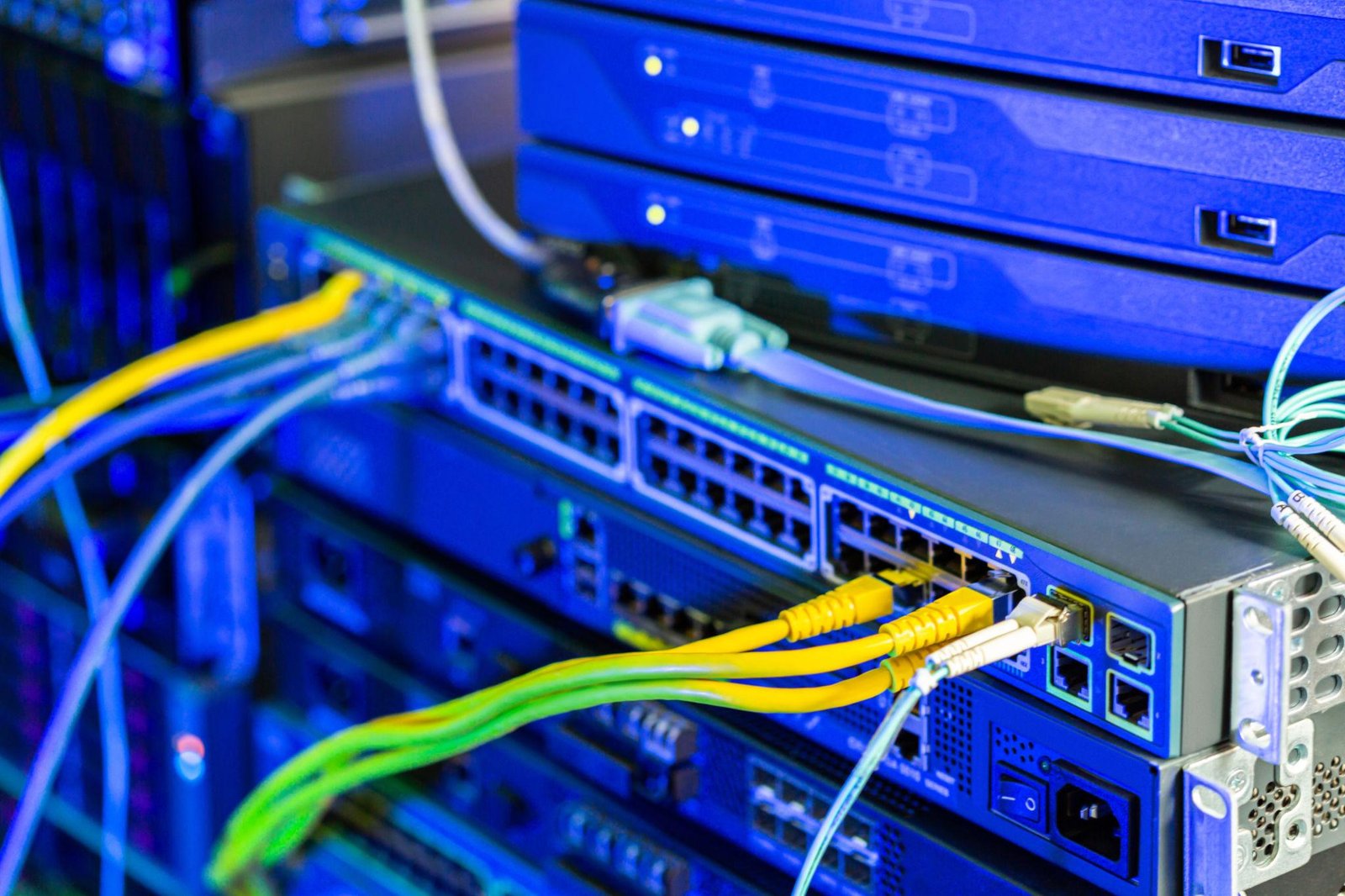
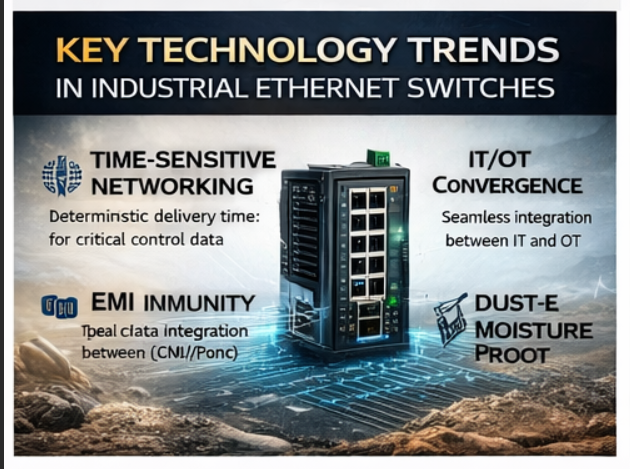
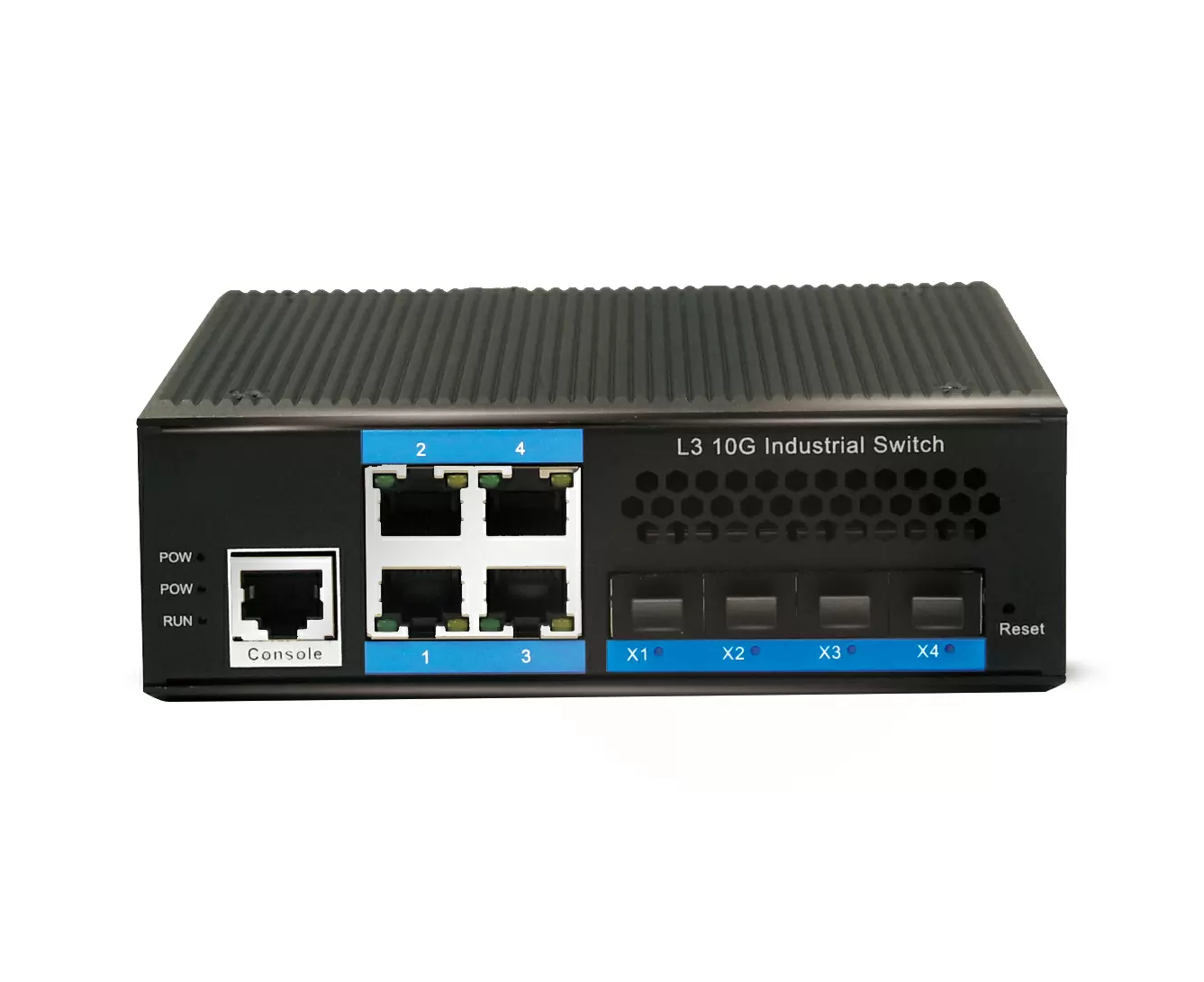
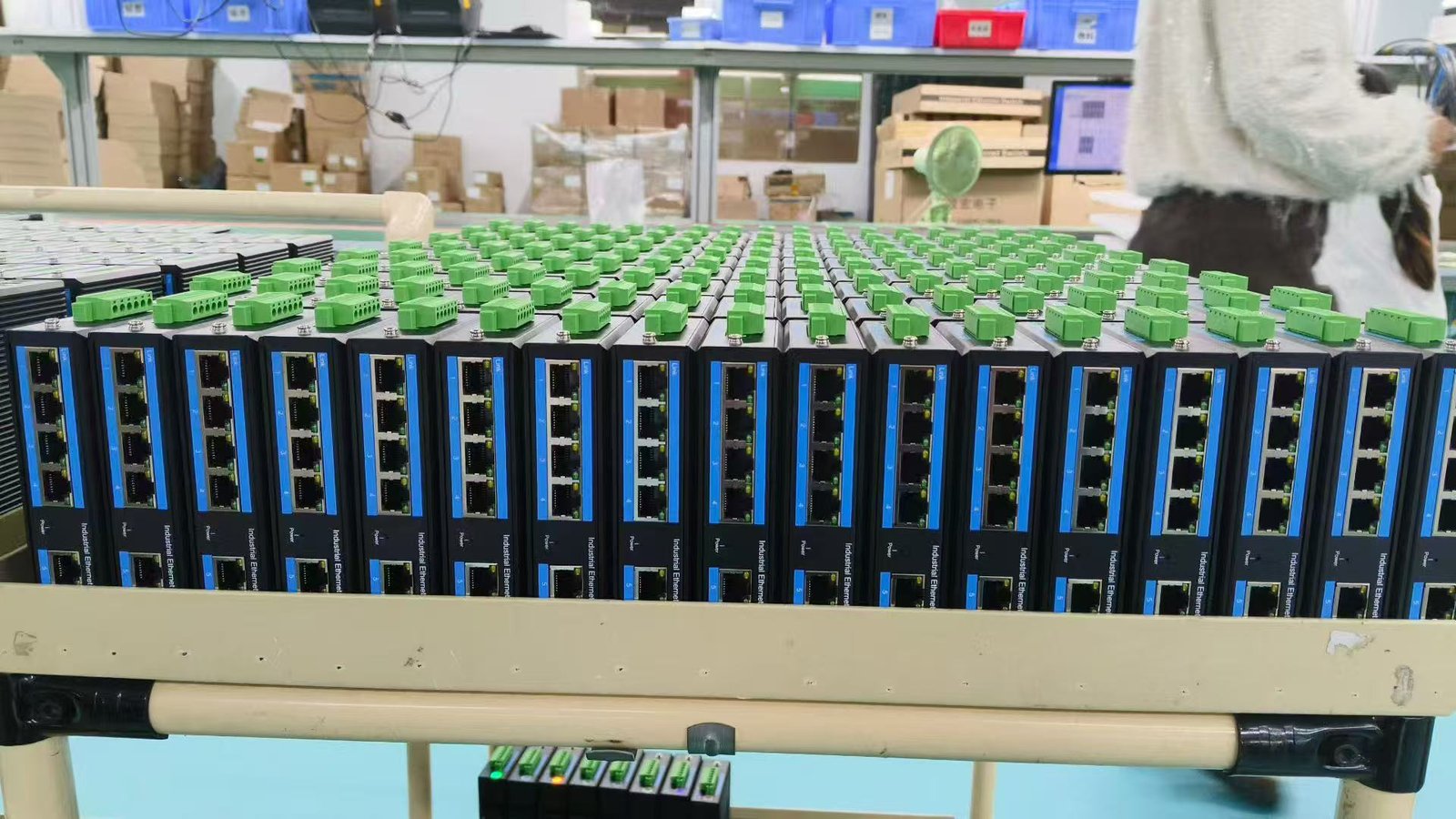
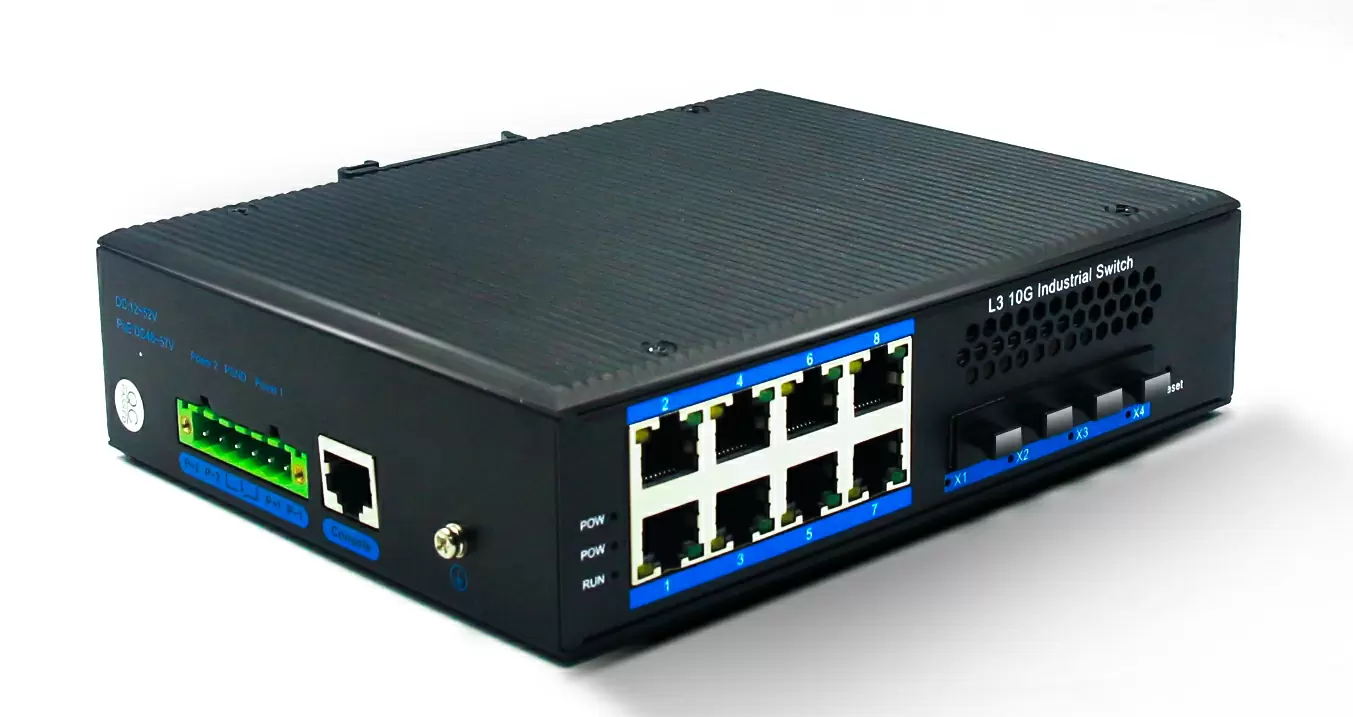
Industrial Ethernet switches are important because they are built for environments where commercial switches may fail over time. Wide temperature operation, rugged housing, DIN-rail installation, EMC protection, dual power input, and fiber uplink options can help improve system stability.
For tunnel and roadside monitoring, the switch should be selected based on the whole system design, not only the number of ports. Customers should consider camera quantity, PoE demand, uplink distance, cabinet space, power source, and whether redundancy is required.
Design Points That Reduce Project Risk
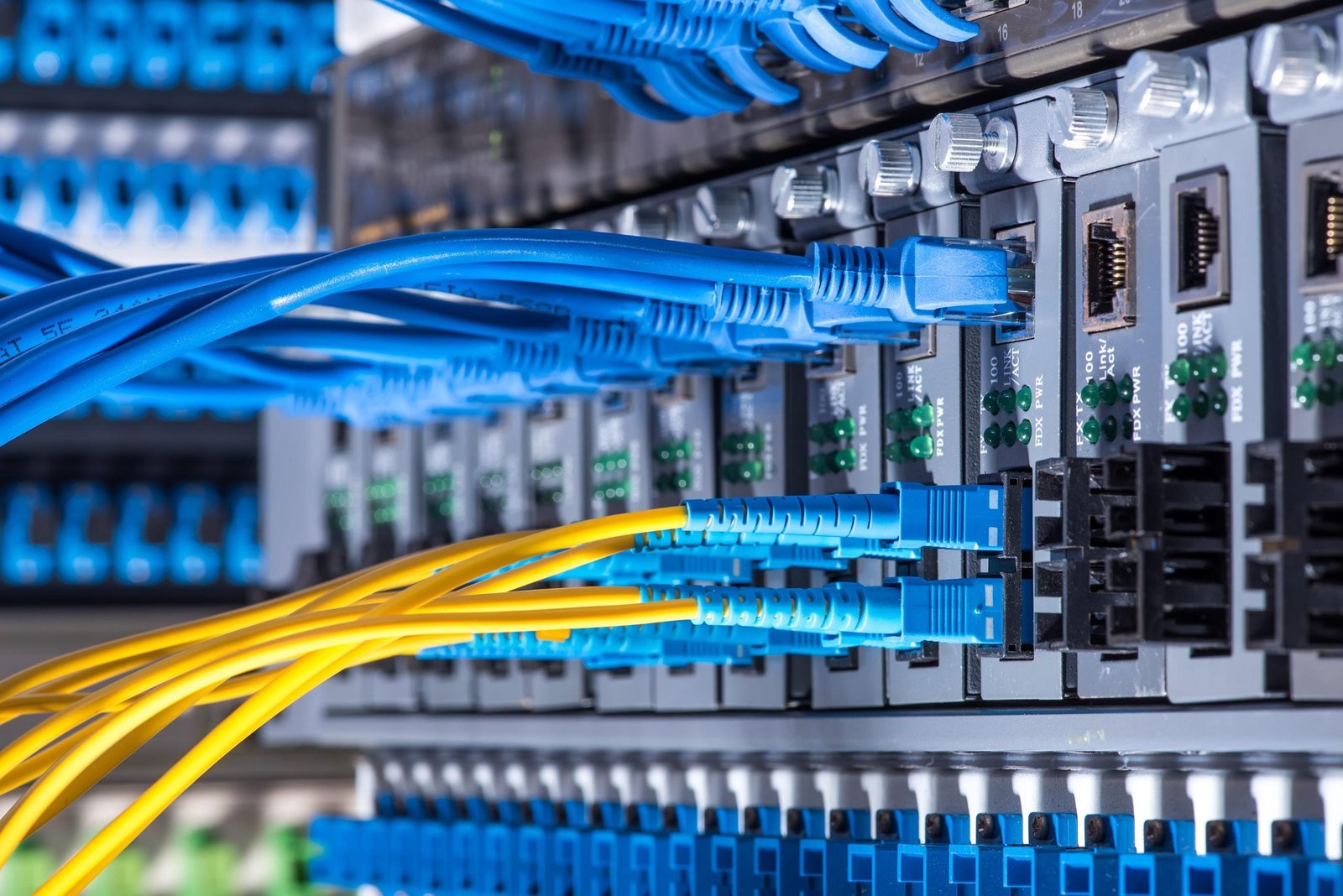
First, use fiber uplinks for long-distance and EMI-resistant transmission. Fiber can connect field cabinets back to control rooms or aggregation points more reliably over longer distances.
Second, calculate PoE power carefully if cameras, access points, or edge devices need power through Ethernet. Outdoor cameras may consume more power at night when infrared lighting, heating, or PTZ functions are active.
Third, consider redundancy for critical routes. Ring topology, RSTP, dual uplinks, or dual power input can help reduce the risk of a single cable or power fault interrupting the entire network.
Fourth, choose managed switches when remote visibility matters. In large transportation systems, engineers need to check port status, traffic, alarms, and device connections without visiting every cabinet.
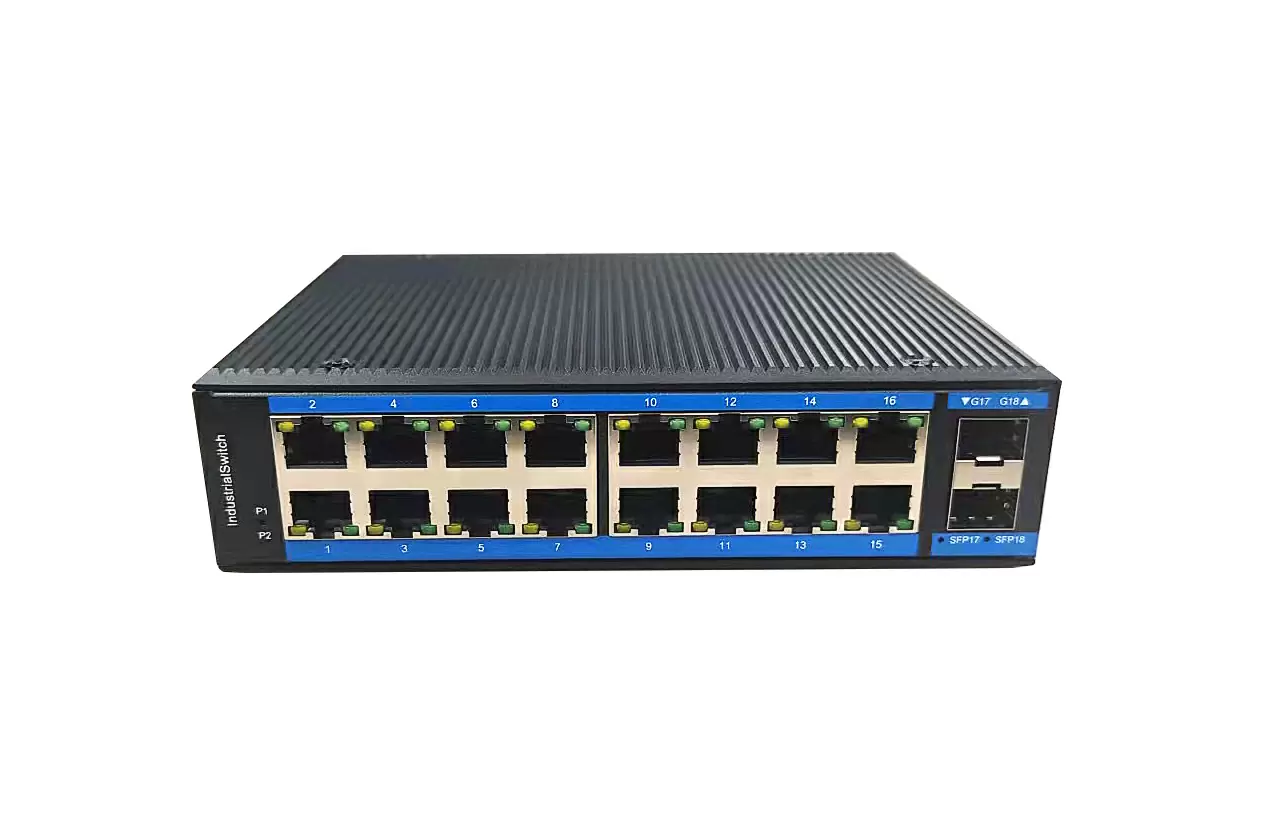
Customer Value: Clearer Monitoring and Lower Maintenance Cost
A reliable industrial network helps customers keep cameras online, maintain stable video transmission, support faster incident response, and reduce unnecessary site visits. It also makes future expansion easier when more cameras, sensors, or control devices are added.
At STAR FIRE TECH, we support industrial switch selection for transportation and outdoor monitoring projects by focusing on fiber distance, PoE budget, redundancy, wide temperature performance, EMC protection, and long-term maintenance efficiency.
For traffic and tunnel systems, stable connectivity means clearer monitoring, faster response, and stronger project reliability.
FAQ
Q: Why do tunnel monitoring networks need industrial switches?
A: Tunnels often have harsh conditions, long cable routes, EMI, and 24/7 reliability requirements.
Q: Why are fiber uplinks useful for roadside cabinets?
A: Fiber supports longer transmission distances and helps reduce EMI-related communication problems.
Q: Should traffic monitoring networks use managed switches?
A: Managed switches are recommended for larger or critical systems because they support monitoring, VLAN, QoS, alarms, and redundancy.
Q: What causes outdoor surveillance cameras to go offline?
A: Common causes include insufficient PoE power, unstable power input, cable issues, overheating, EMI, or weak uplink design.
Q: What features matter most for roadside and tunnel applications?
A: Wide temperature range, rugged housing, fiber uplinks, dual power input, EMC protection, PoE stability, and remote management.
#TrafficMonitoring #TunnelSurveillance #IndustrialEthernet #OutdoorNetwork #FiberUplink #IndustrialPoE #RoadsideCabinet #SecurityNetwork #RedundantNetwork #STARFIRETECH