Table Of Content
Table Of Content
Why M12 Industrial Cables Matter in Factory Automation
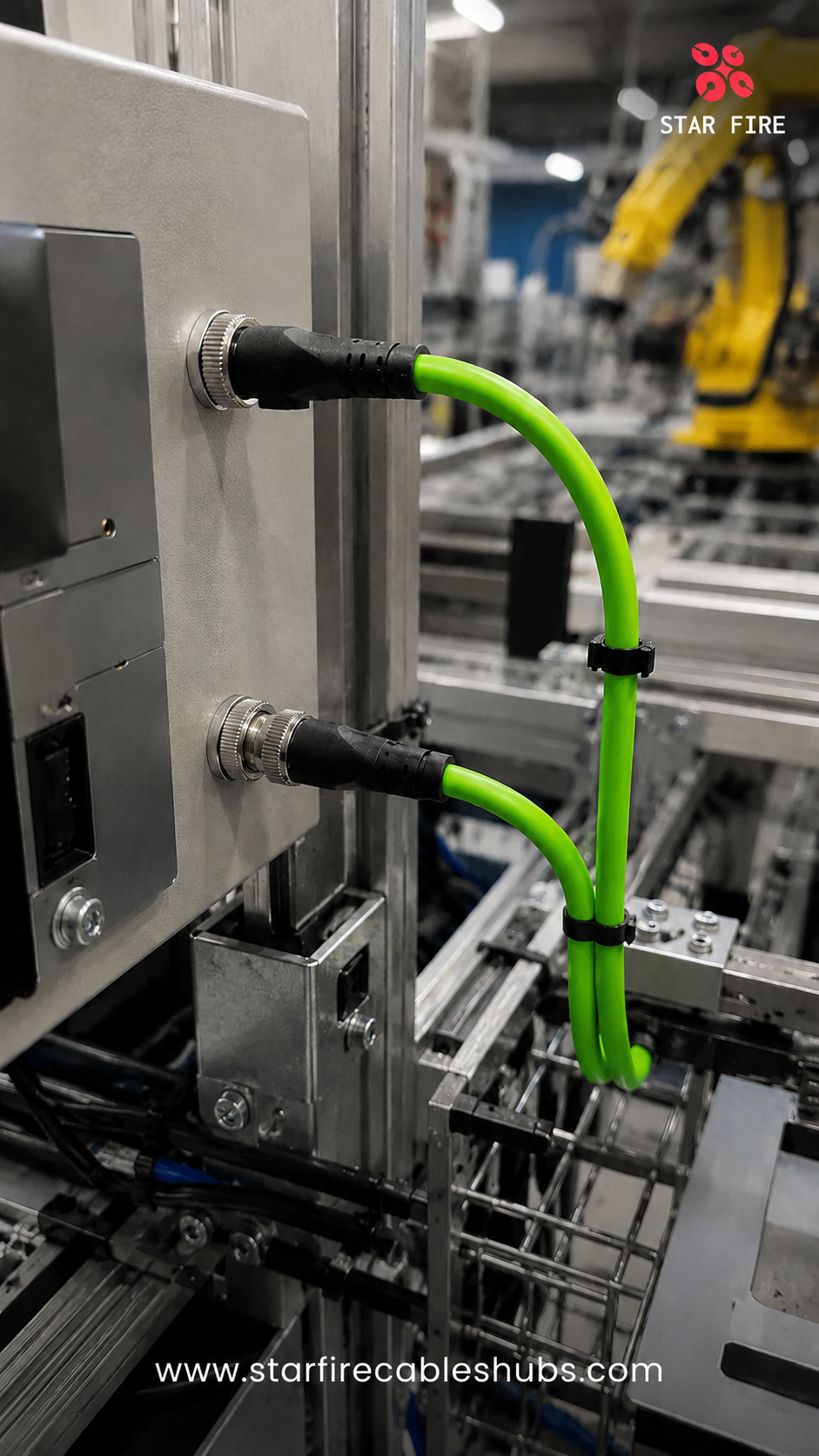
In factory automation, reliable communication does not depend only on PLCs, sensors, cameras, or control systems. It also depends on the physical connection between these devices.
For many customers, cable problems are not always obvious at the beginning. A production line may run normally during testing, but after weeks or months of operation, issues begin to appear: unstable sensor signals, communication errors, unexpected machine alarms, or intermittent device disconnection.
In many cases, the root cause is not the controller or the device itself. It is the cable and connector system.
Why Standard Cables May Not Be Enough
Factory environments are very different from office or commercial environments. Industrial cables may face vibration, dust, moisture, oil, temperature changes, electromagnetic interference, and repeated movement.
If the cable structure is not designed for these conditions, the connection may become unstable over time. Loose connectors, weak shielding, poor bending resistance, or insufficient protection can all affect signal reliability.
This is why M12 industrial cables are widely used in automation systems. Compared with standard connectors, M12 connectors are designed for industrial environments where stable locking, compact installation, and environmental protection are important.
Where M12 Cables Are Commonly Used
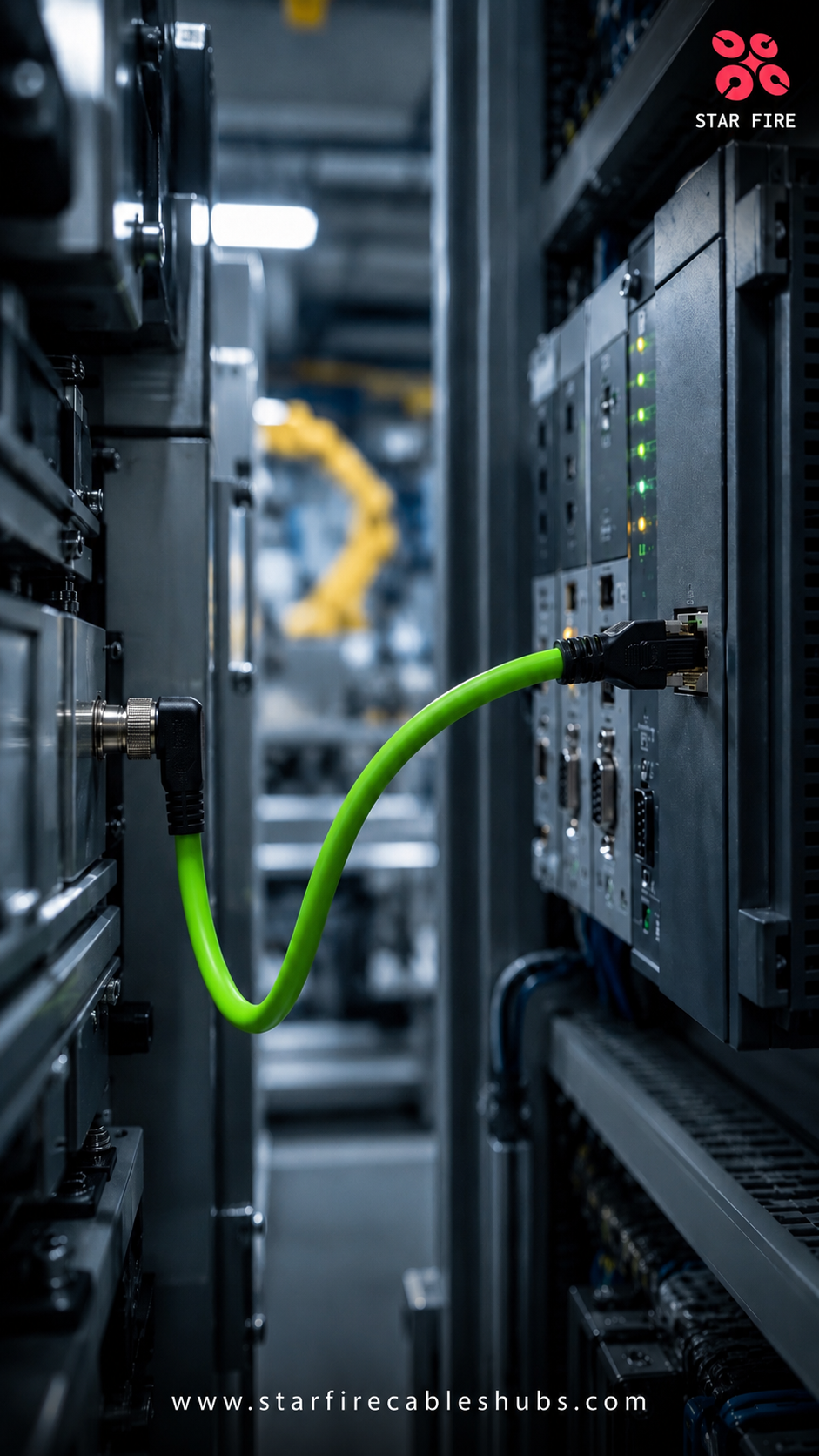
M12 cable assemblies are often used in:
- Industrial sensors
- PLC communication
- Machine vision systems
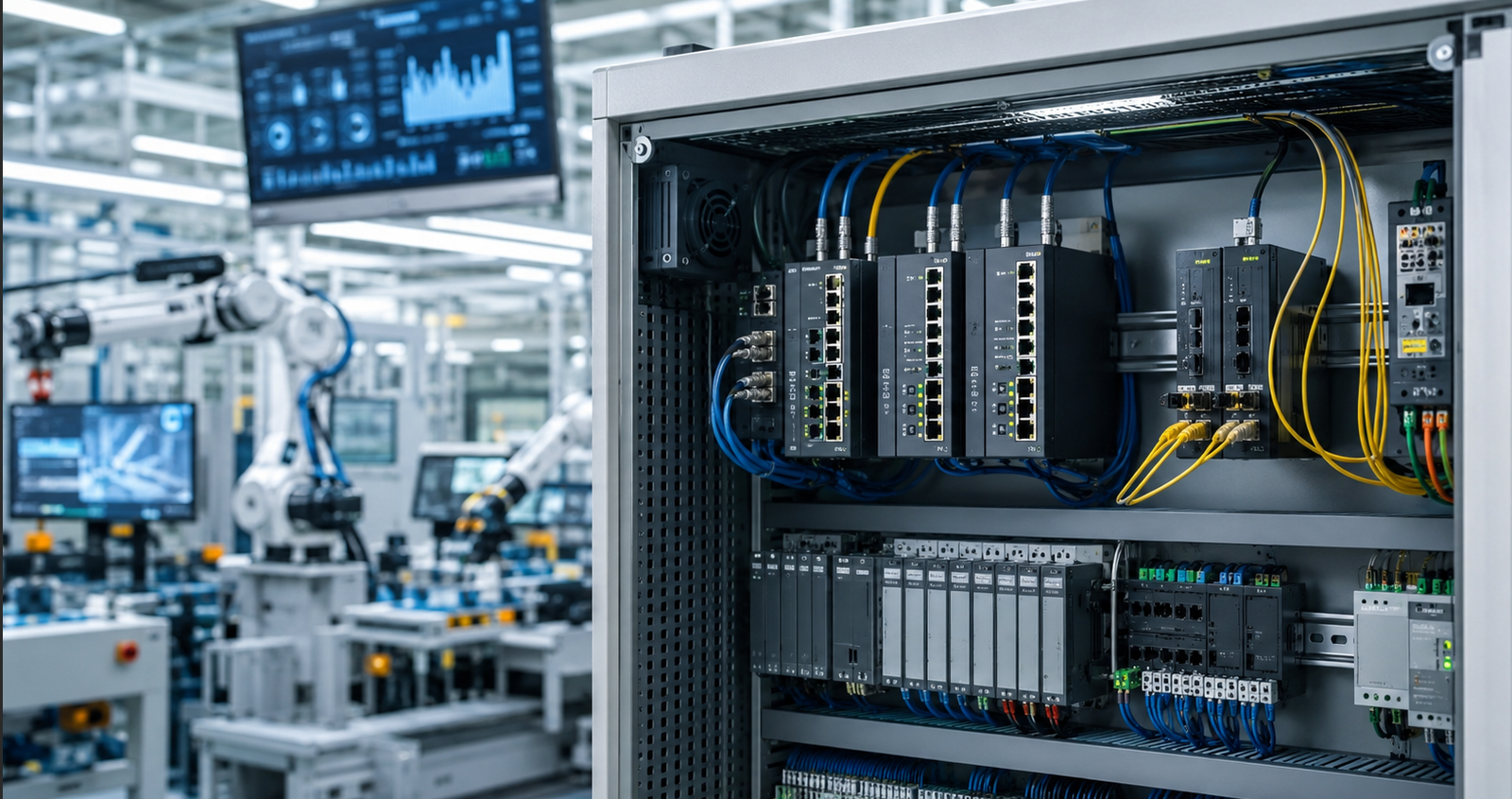
- Robotic equipment
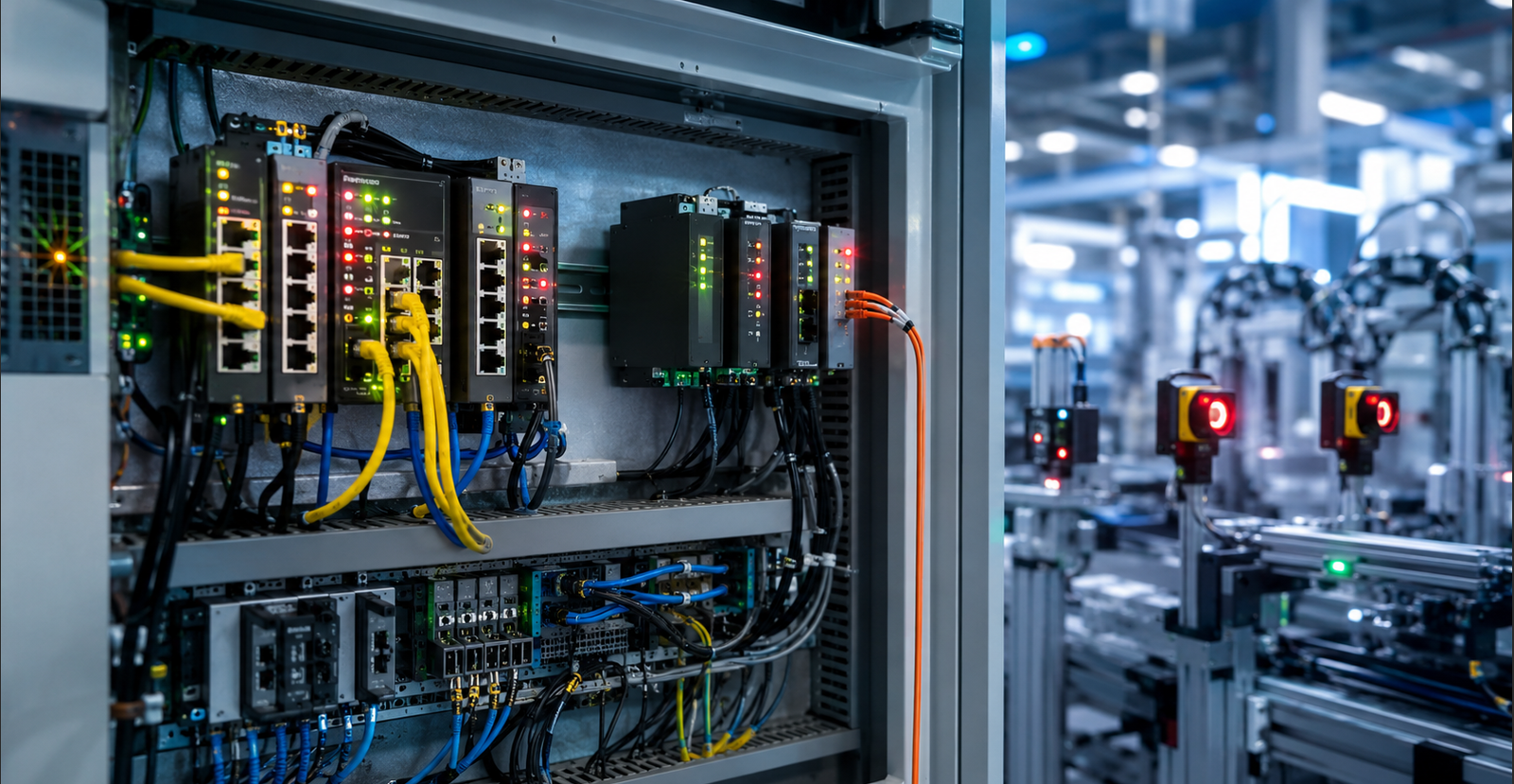
- Industrial Ethernet networks
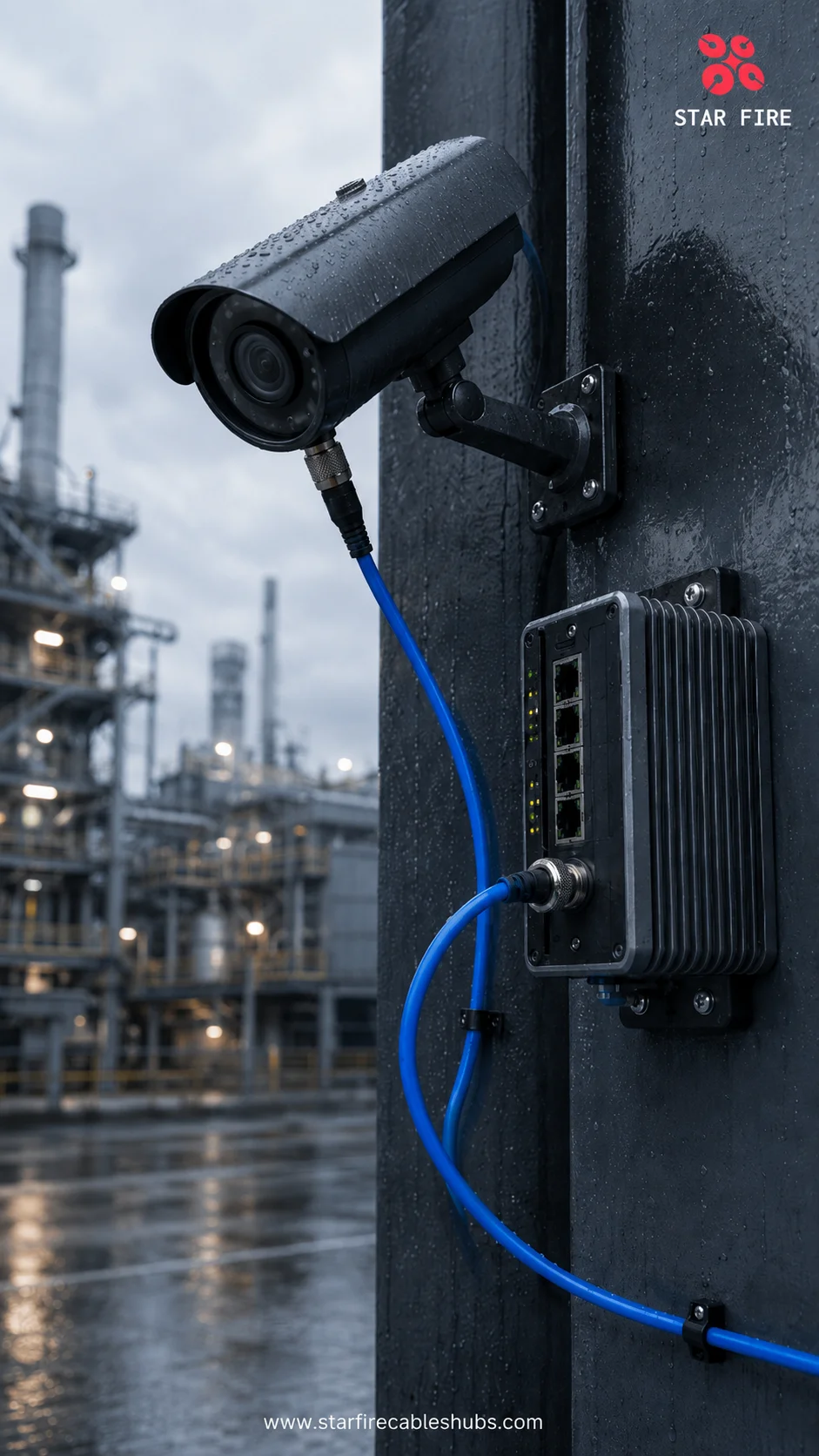
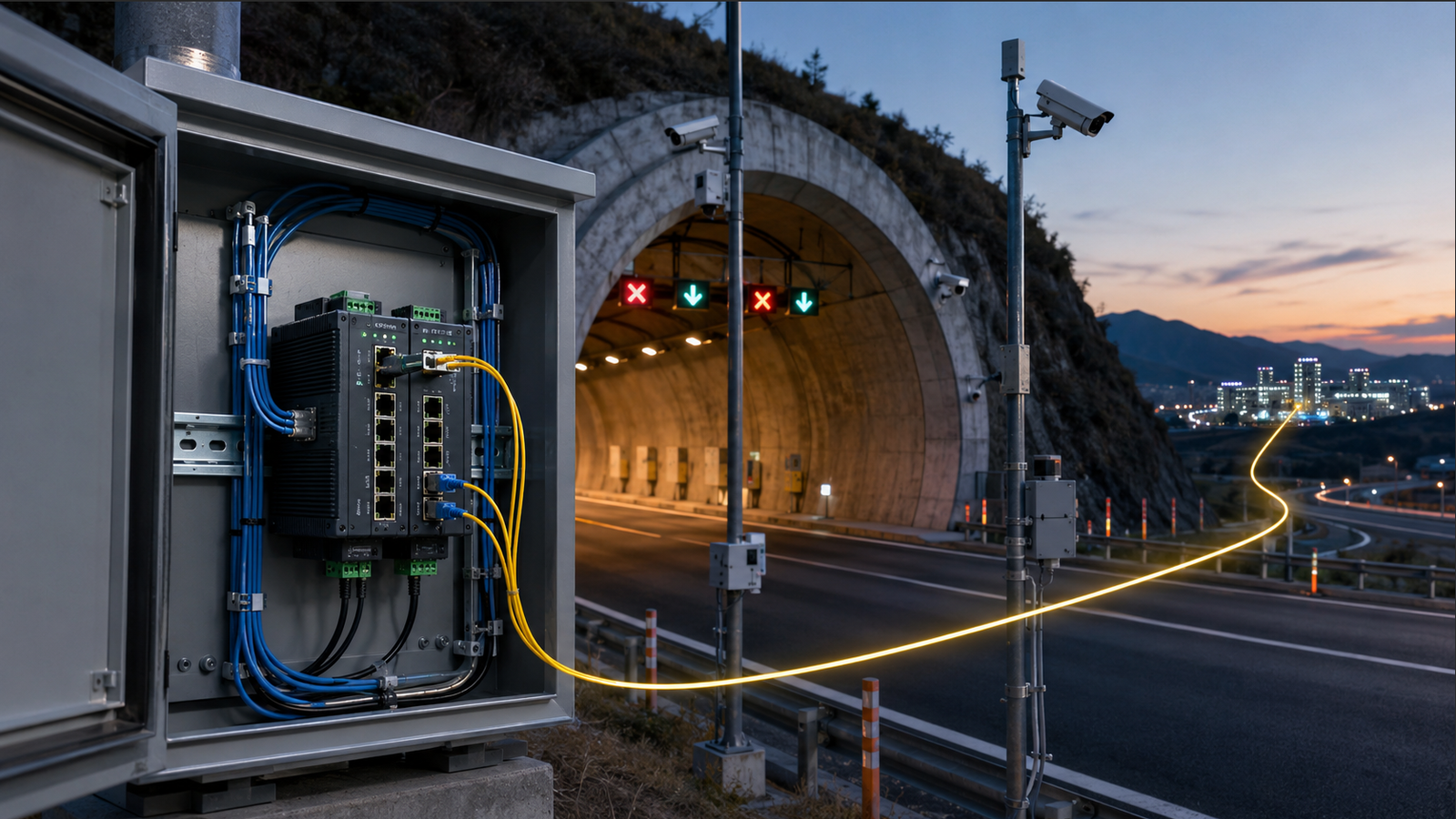
- Outdoor control cabinets
- Transportation and monitoring systems
- Automated production lines
For customers, the main value is not just connection. The real value is reducing unexpected downtime and improving long-term system stability.

How to Choose the Right M12 Cable
Before selecting an M12 cable, customers should consider the application first.
If the cable is used for sensors or actuators, A-coded M12 connectors may be suitable. If it is used for industrial Ethernet communication, D-coded or X-coded M12 connectors may be required, depending on speed and data requirements.
Customers should also consider jacket material, shielding design, bending performance, IP rating, connector direction, and installation space. In moving applications such as drag chains or robotic arms, cable flexibility becomes especially important.

STAR FIRE TECH Perspective
At STAR FIRE TECH, we believe industrial cable selection should be based on real operating conditions, not only connector type or price.
Our M8 and M12 cable assemblies can support different connector options, including A-code, D-code, X-code, straight type, angled type, male, female, and RJ45 conversion solutions. For demanding applications, we can also support customized cable structures, high-flex materials, shielding design, and industrial-grade jacket options.
For automation customers, the goal is simple: stable signal transmission, fewer connection failures, easier installation, and better reliability in harsh environments.
FAQ
Q: Why are M12 cables used in industrial automation?
A: M12 cables provide secure connection, compact design, and industrial protection for sensors, PLCs, Ethernet devices, and automation systems.
Q: What is the difference between A-coded, D-coded, and X-coded M12 cables?
A: A-coded cables are commonly used for sensors and power signals. D-coded and X-coded cables are used for industrial Ethernet, with X-coded solutions supporting higher-speed data transmission.
Q: Are M12 cables suitable for harsh environments?
A: Yes. M12 cable assemblies can be designed with IP-rated protection, rugged jackets, shielding, and high-flex structures for demanding industrial conditions.
#M12Cable #IndustrialCable #FactoryAutomation #IndustrialAutomation #SensorCable #PLCCable #IndustrialEthernet #MachineVision #Robotics #STARFIRETECH